
Filter
10 products



New All Metal Upholstery Cleaning Tool 8400GT Mytee Dry
4.6
Rated 4.6 out of 5 stars
22 Reviews
$645.00
Sold Out

Sale

Revive Upholstery Cleaning Prespray Case (4 Gallons)
5.0
Rated 5.0 out of 5 stars
4 Reviews
Regular price
$355.00
Sale price$310.60
Save $44.40


VersaTool™ 20V Dual-Head Cordless Orbital Scrubber
5.0
Rated 5.0 out of 5 stars
4 Reviews
from $199.00
Upholstery cleaning is one of the highest-margin services a professional cleaner can add, and getting it right comes down to two things: the right chemical for the fabric and the right tool for the job. This collection brings together professional-grade upholstery chemicals and extraction tools in one place, so you can build a complete setup without sourcing from multiple suppliers.
Shop Upholstery Cleaning Chemicals and Tools
Everything in this collection is engineered for professional use. Whether you are adding upholstery cleaning to an existing carpet cleaning operation or dialing in your current process, the products below cover the full workflow from pre-spray through protection.
Upholstery Cleaning Chemicals
Browse the full upholstery chemicals range for every fabric type and soil level. Top picks from this category include:
- Revive Upholstery Cleaning Prespray - A professional-strength pre-spray formulated specifically for upholstery fabrics. Revive lifts embedded soils and body oils without over-wetting delicate fibers, making it the go-to pre-treatment for most residential and commercial fabric jobs.
- RSF Cotton and Linen Shampoo - A dry powder shampoo designed for natural fibers that are prone to browning or shrinkage when over-wetted. Mix to your desired concentration and apply with confidence on cotton, linen, and similarly sensitive fabrics.
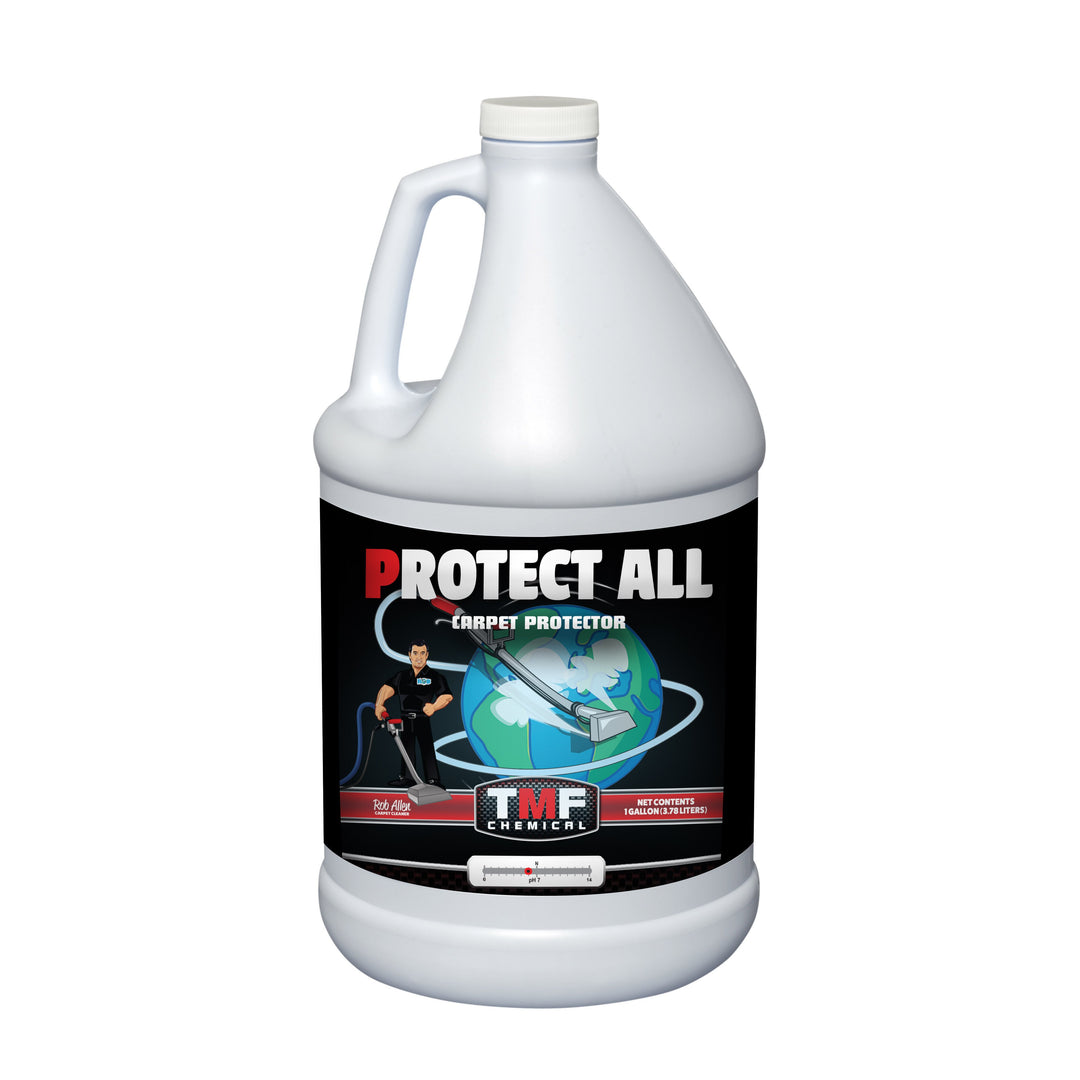
- Protect All Carpet and Upholstery Protector - Apply after cleaning to extend the life of the job and give clients a reason to rebook. Protect All creates a soil and stain barrier that keeps furniture looking cleaner between visits.
Upholstery Cleaning Tools
See the complete upholstery tools lineup for hand tools, extraction heads, and specialty attachments. Featured equipment includes:
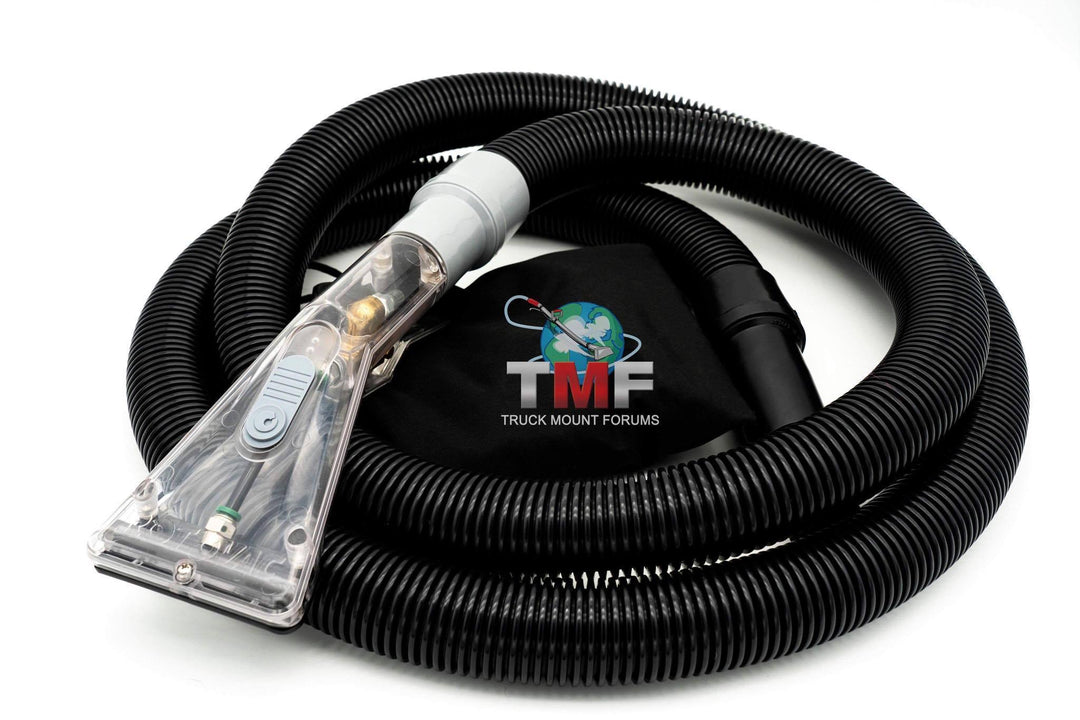
- Rotovac ShearDry Upholstery Tool - A high-performance extraction tool with a clear head for visual confirmation of soil removal. The ShearDry is built for truckmount and portable use and delivers fast drying times, which is one of the top client concerns on upholstery jobs.
- DRIMASTER DM3 HiFlo Upholstery Tool - A premium dry-stroke extraction tool that pulls moisture out aggressively without oversaturating fabric. The DM3 is the choice for high-volume operators who want professional results with reduced drying risk.
- VersaTool 20V Dual-Head Cordless Orbital Scrubber - A cordless orbital scrubber that handles agitation on fabric furniture without needing a hose connection. Ideal for pre-agitation, spot work, and jobs where running lines inside a home is not practical.
How to Match Chemicals and Tools to the Job
The single biggest mistake on upholstery jobs is treating all fabric the same. Before you mix a chemical or hook up a tool, identify the fiber type. Good fabric cleaning starts with a proper assessment, not with whatever chemical is closest to hand.
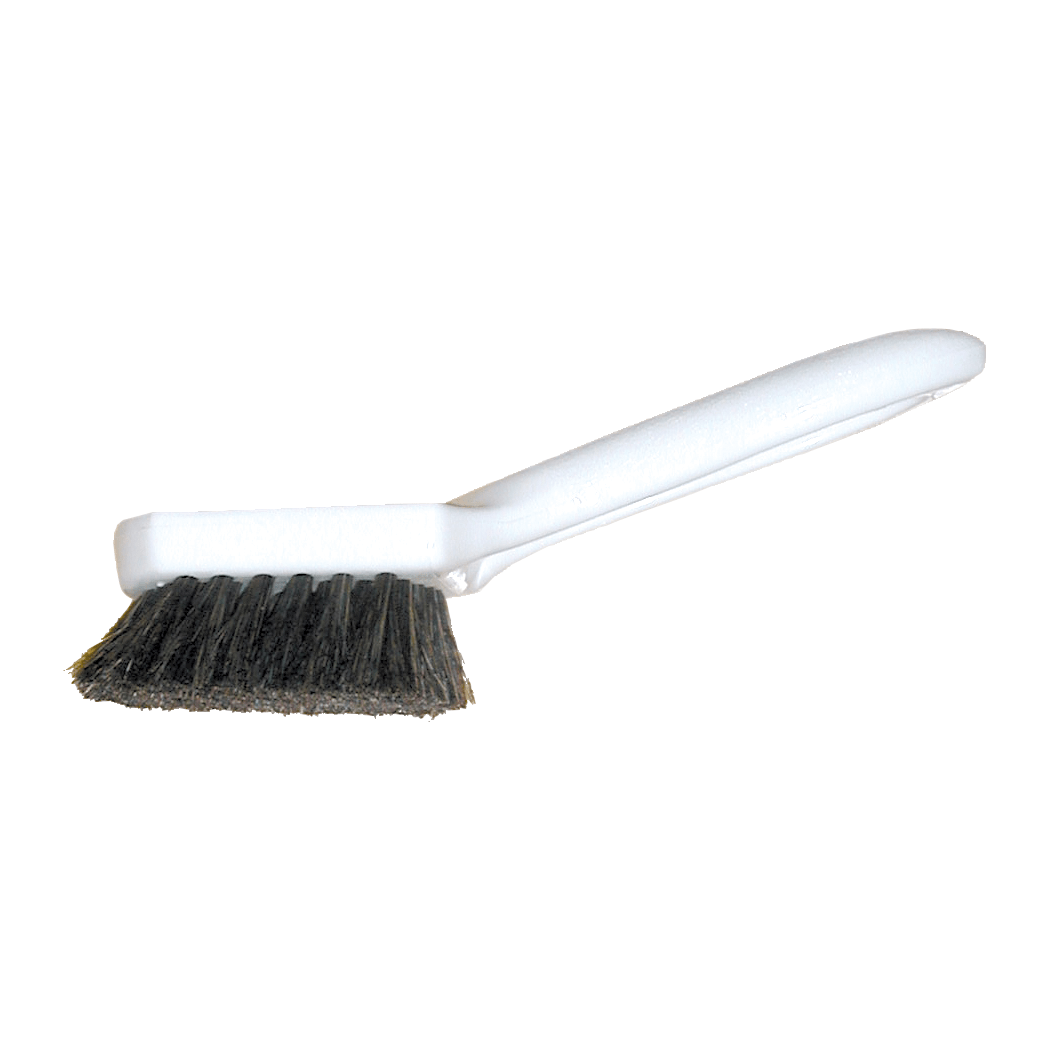
Synthetic microfiber is the most common residential upholstery fabric. It tolerates most water-based pre-sprays but is sensitive to over-wetting, which leaves tide marks. Use a low-moisture application, agitate gently with a horsehair or soft bristle brush, and extract immediately. Keep truckmount solution pressure below 200 PSI and vacuum extraction high.
Natural fibers like cotton and linen shrink and brown when they absorb too much water. A dry powder shampoo or low-moisture encapsulation approach is safer here. If you are using hot water extraction, keep temperatures moderate and dwell times short.
Velvet, silk blends, and vintage fabrics need a pre-test in an inconspicuous area before you commit to any chemical or agitation method. When in doubt, dry-clean only.
Leather is its own category entirely and requires dedicated leather-safe chemistry rather than standard upholstery pre-sprays. See the leather cleaning chemicals collection for the right products.
Always finish fabric jobs with a protector. It adds revenue, reduces callbacks, and gives the client a tangible reason to say yes on the spot.
Upholstery Cleaning as a Revenue-Building Service
If you are already running a truckmount or portable extractor for carpet, adding upholstery cleaning costs you almost nothing in additional overhead. The same visit, the same van, a different tool head, and you can charge a meaningful add-on for every sofa, sectional, and set of dining chairs on the job. Professionals who offer protector application on top of cleaning regularly add 20 to 30 percent to the ticket without extra travel. If you want a structured walkthrough of the full process, the upholstery cleaning online course covers chemicals, tools, fiber identification, and client communication from start to finish.
For jobs involving pet stains on upholstery, pair your pre-spray with a product from the pet odors and stain removal collection before extraction.
Why Buy Your Upholstery Cleaning Supplies at TMF Store
TMF Store sells exclusively to working professionals. Every product in this collection has been used and vetted by cleaners in the field, not sourced from a generic wholesale catalog. You get access to the same chemicals and tools discussed in the TMF community forum, with expert support available by phone, fast shipping across the US, and military and first responder discounts on eligible orders. When you buy here, you are buying what the pros actually use.
FAQ
What chemicals should I use on microfiber upholstery?
A water-based pre-spray like Revive works well on most synthetic microfiber. Apply lightly, agitate with a soft brush, and extract quickly to avoid tide marks. Always test in a hidden area first.
Can I use my truckmount for upholstery cleaning?
Yes. Most upholstery tools are designed to connect directly to a truckmount solution line and vacuum hose. Drop your pressure significantly below carpet settings and you are ready to go.
What PSI should I run on upholstery with a truckmount?
A general starting point is 100 to 200 PSI for most fabric upholstery. Delicate or natural fiber pieces may need lower pressure. Always test and adjust based on the fabric response.
Do I need a separate tool for upholstery, or can I use my carpet wand?
A dedicated upholstery tool is strongly recommended. Carpet wands are too wide, too heavy, and apply too much solution for furniture fabric. The right tool gives you control, visibility, and better extraction.
What is a protector and should I offer it to every upholstery client?
A fabric protector creates a soil and stain barrier after cleaning. Offering it on every job is one of the easiest upsells in professional cleaning. Most clients say yes when you explain it extends the life of the clean.
How do I handle pet stains on upholstery?
Treat with an enzyme-based or oxidizing product from the pet odors and stain removal collection before your main pre-spray. Allow full dwell time, then extract. Severe urine saturation in cushion cores may require removal and sub-surface treatment.
Does TMF Store offer upholstery cleaning training?
Yes. The upholstery cleaning online course covers the full process including fiber identification, chemical selection, tool use, and client handling.
Related Blogs
Get more depth on upholstery cleaning with these resources from the TMF team:
- TMF Upholstery Cleaning Overview - A broad look at how TMF approaches professional upholstery cleaning, covering the products and methods that work across the most common fabric types.
- Microfiber or Leather Furniture: What Changes? - A video walkthrough comparing how to approach microfiber versus leather furniture jobs, including the chemical and tool differences between the two.
- Proper PSI for Upholstery, Carpets, and Tile - Know your pressure settings before you put a wand on any surface. This guide breaks down the right PSI ranges by surface type so you protect fabrics and get clean results every time.
- How to Clean a Leather Chair - Step-by-step tips for safely cleaning leather upholstery without drying out or damaging the surface, including product recommendations from the TMF team.
- How to Clean a Linen Sofa - A video guide to tackling one of the trickiest natural-fiber upholstery jobs, with techniques for controlling moisture and avoiding shrinkage or browning.