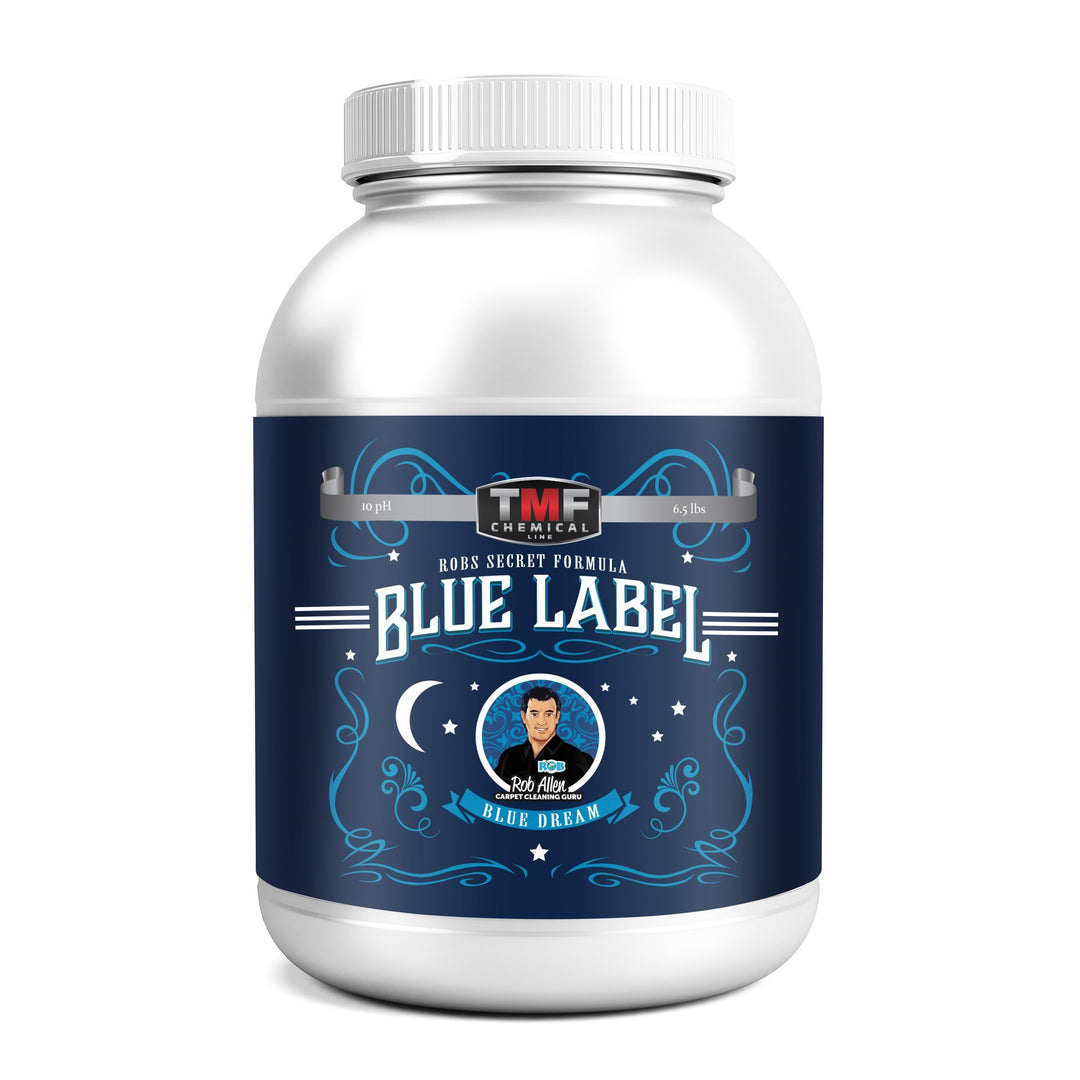
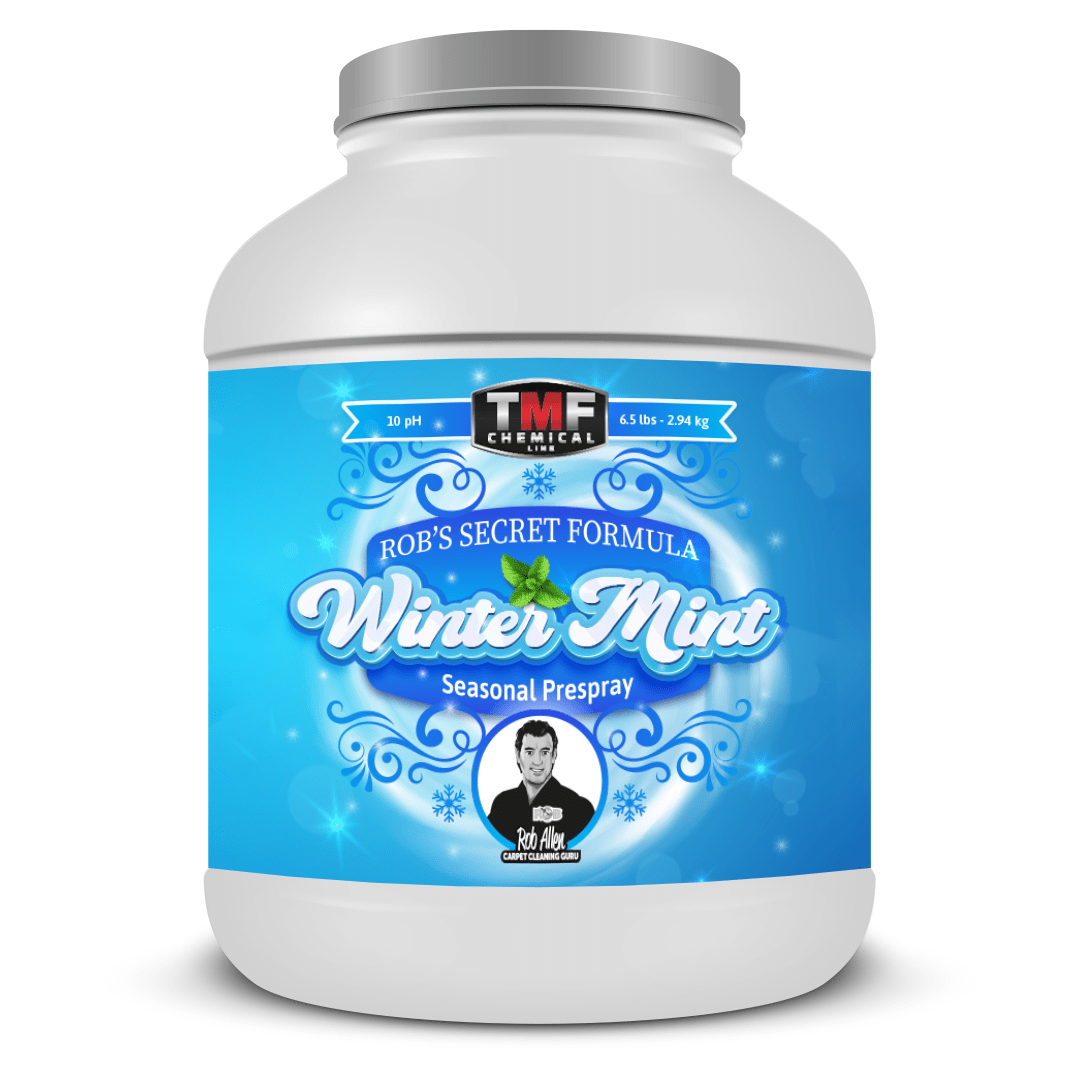
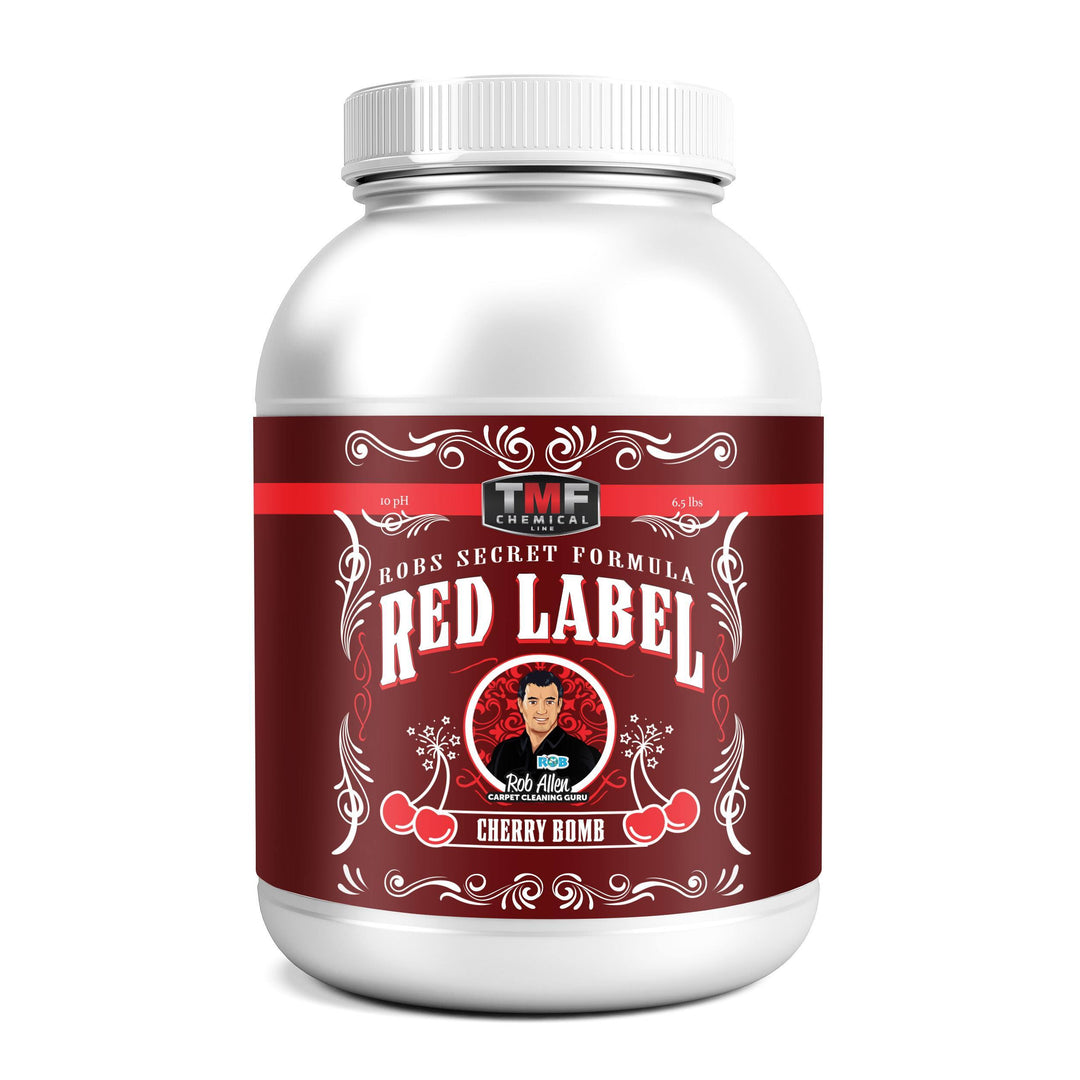
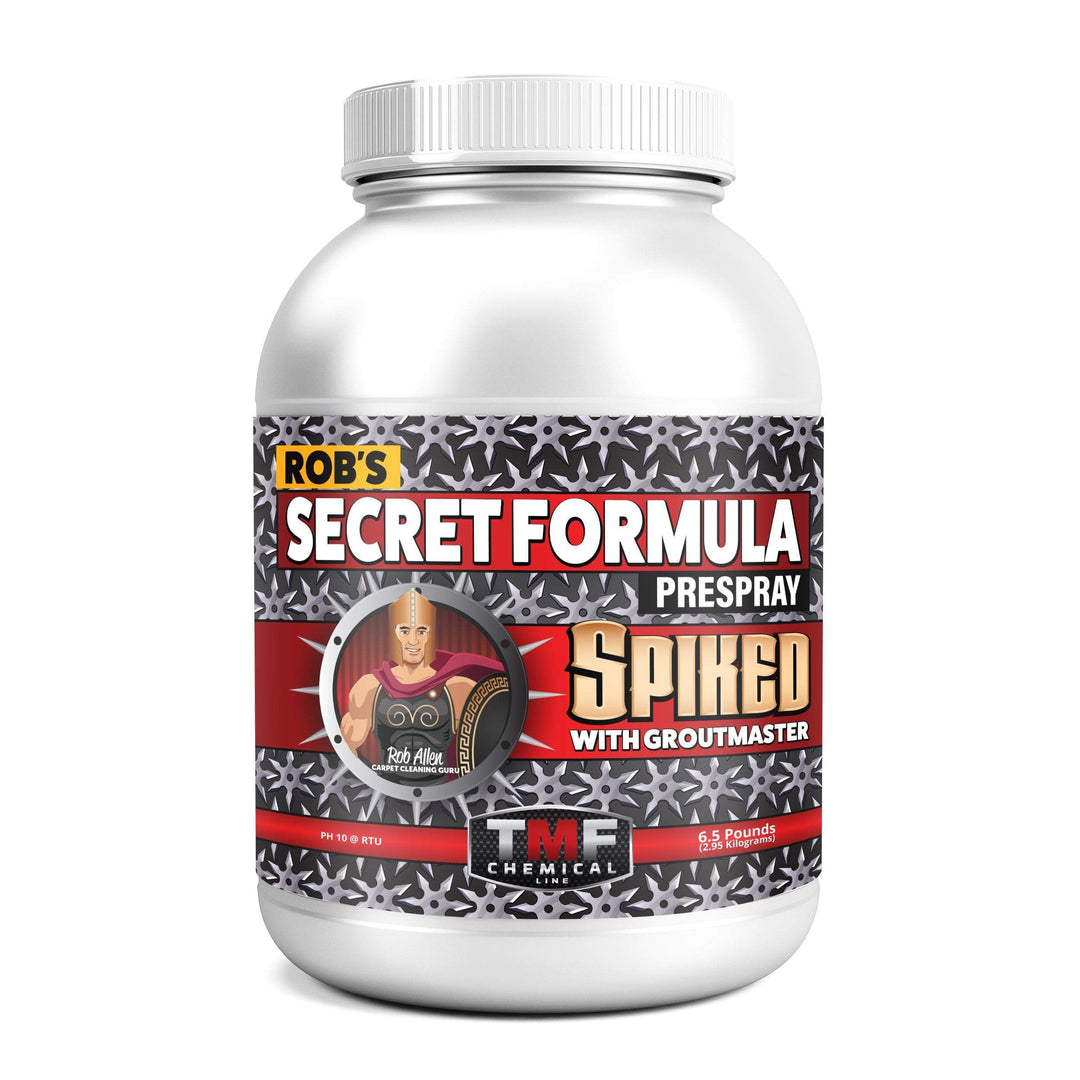
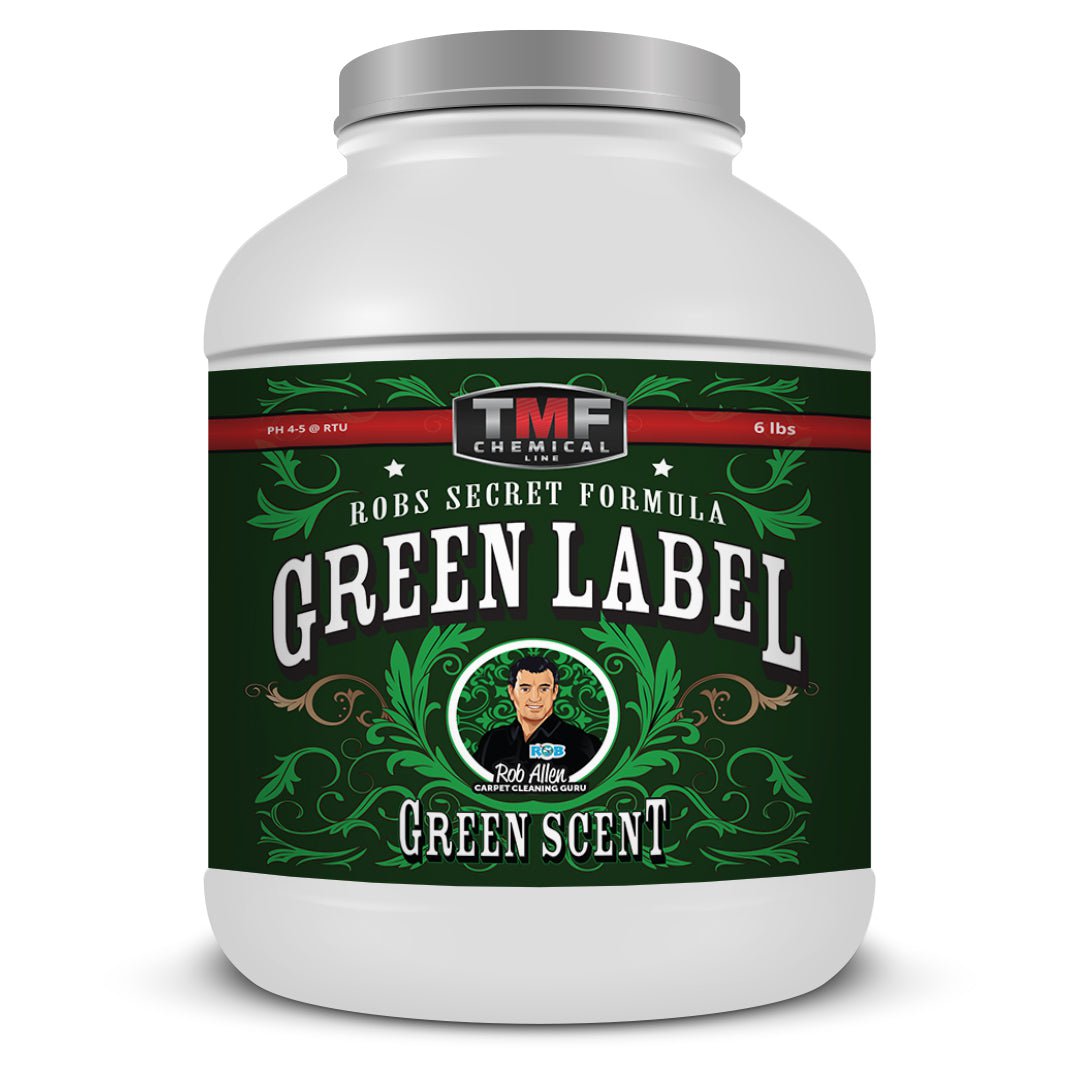
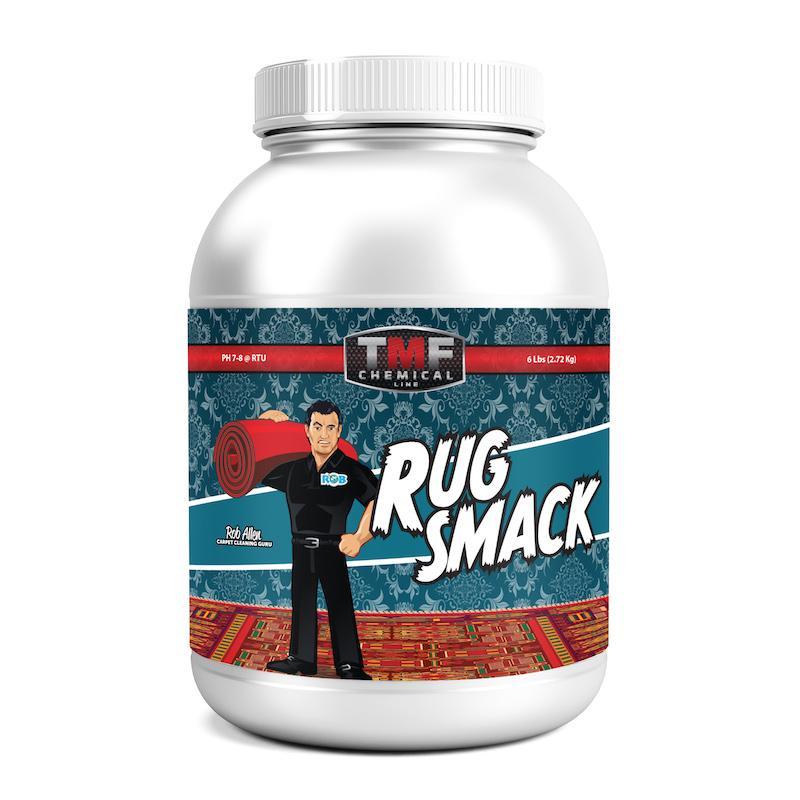
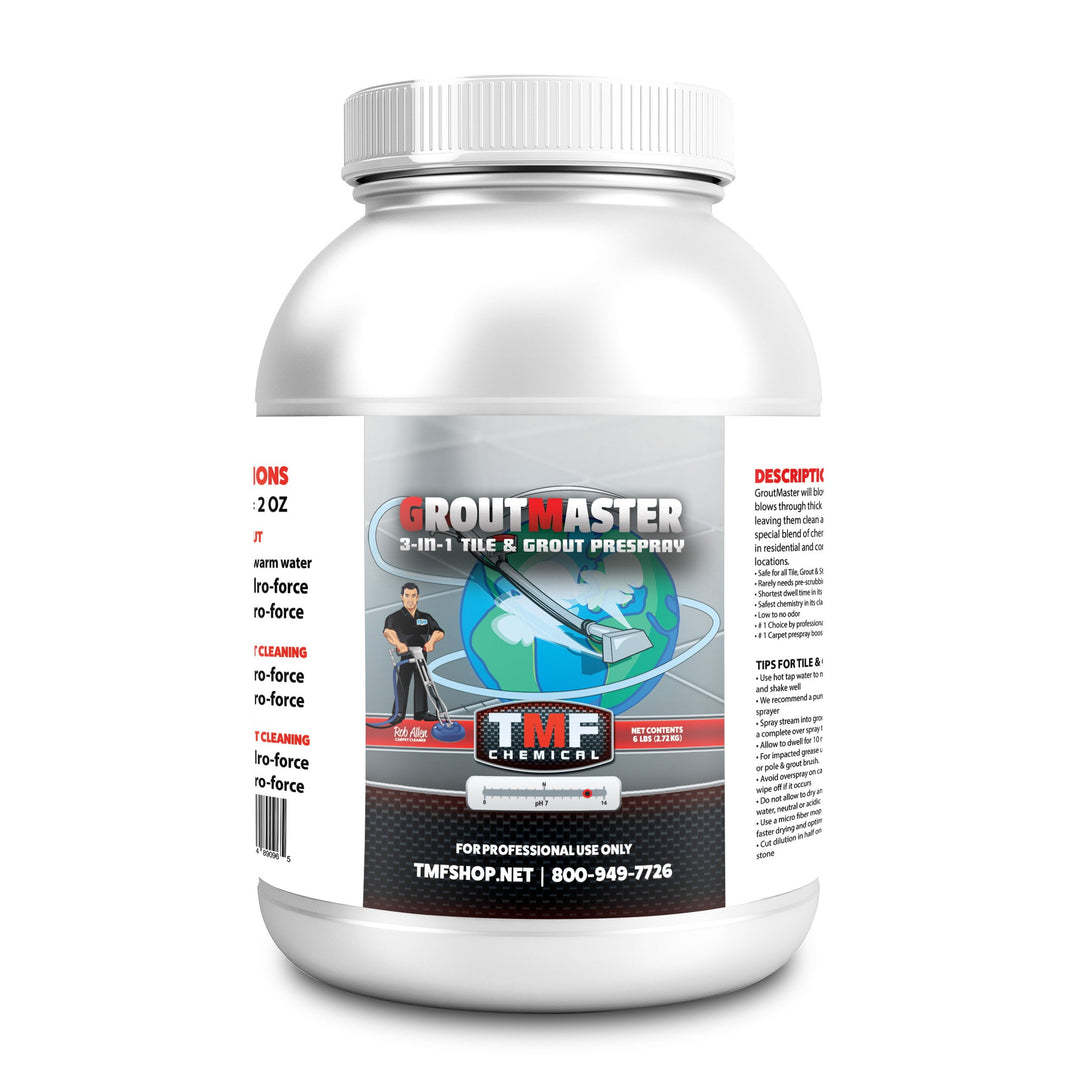
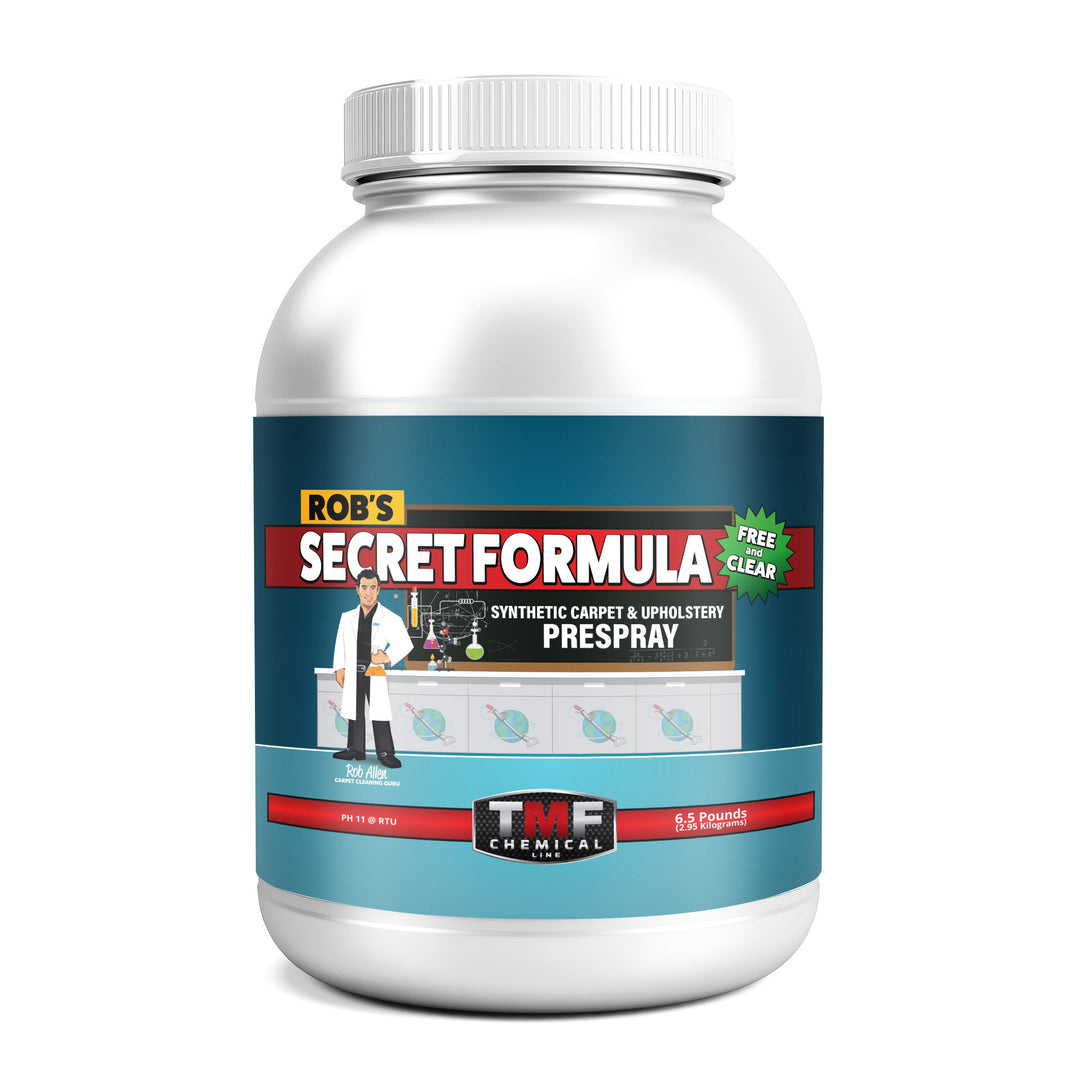
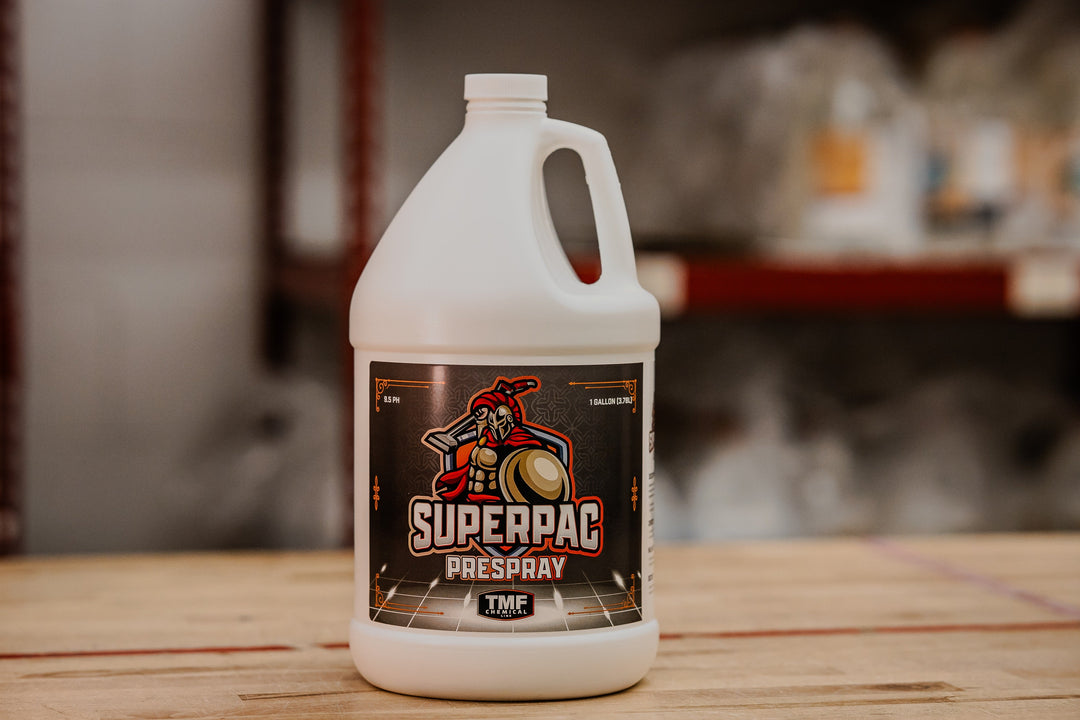
Carpet pre-spray is the step that separates a mediocre clean from a result that earns referrals. Applied before the wand passes, a quality prespray breaks the bond between soil and fiber so your truckmount or portable extractor can pull it all out in a single pass. At TMF Store, we carry a full range of professional carpet cleaning presprays - enzyme formulas, high-alkaline powders, low-pH options for delicate fibers, and specialty blends for the toughest commercial jobs.
Why the Right Carpet Pre Spray Makes or Breaks the Clean
Every soil type has a chemistry it responds to. Greasy traffic lane soils need an alkaline surfactant to emulsify the oil. Protein-based contamination - food, blood, urine - breaks down fastest with enzymatic action. Synthetic dye stains and oxidizable soils respond to peroxide-based chemistry. When you apply the right carpet cleaning pre spray and give it adequate dwell time, your extraction step becomes genuinely efficient. Skip it or use a mismatched formula and you are forcing the machine to do work the chemistry should have done first - leading to longer dry times, higher water use, and callbacks you did not earn.
A high-quality prespray also reduces the mechanical stress on fibers. When soil releases chemically, you do not have to push hard with the wand or run multiple passes, which means less wear on the carpet and a faster job. That is the ROI of getting your prespray selection right from the start.
Match Your Carpet Cleaning Prespray to the Job
Not every bottle on the shelf works for every situation. Here is how to match formula to task:
General residential traffic lanes: A balanced alkaline prespray (pH 9-11) with strong surfactants handles the everyday combination of skin oils, tracked-in soil, and food residue that builds up in living rooms and hallways. These are your workhorse formulas.
Heavy commercial and greasy soils: High-pH or solvent-boosted presprays cut through oil-laden soils in restaurants, auto dealerships, and commercial lobbies. Look for formulas with emulsifying agents and a pH above 11 for these jobs.
Pet urine and bio-organic soiling: Enzyme-based carpet cleaning prespray is the professional choice here. Enzymes digest the uric acid crystals that standard surfactants cannot break down, addressing odor at the source rather than masking it. Pair these with our pet odors and stain removal solutions for a complete treatment.
Encapsulation and VLM: Low-moisture jobs need a light pre-treatment that encapsulates soil and releases it into a dry polymer crystal. Over-wetting defeats the purpose of VLM. Browse our encapsulation and VLM chemicals for formulas built around this method.
Delicate, wool, or stain-resistant fibers: Drop to a near-neutral or mild acid prespray. High-alkaline products on wool cause fiber damage and yellowing. Always check pH and the manufacturer's fiber compatibility before spraying.
Shop Our Carpet pre-spray Range
Everyday Alkaline Presprays
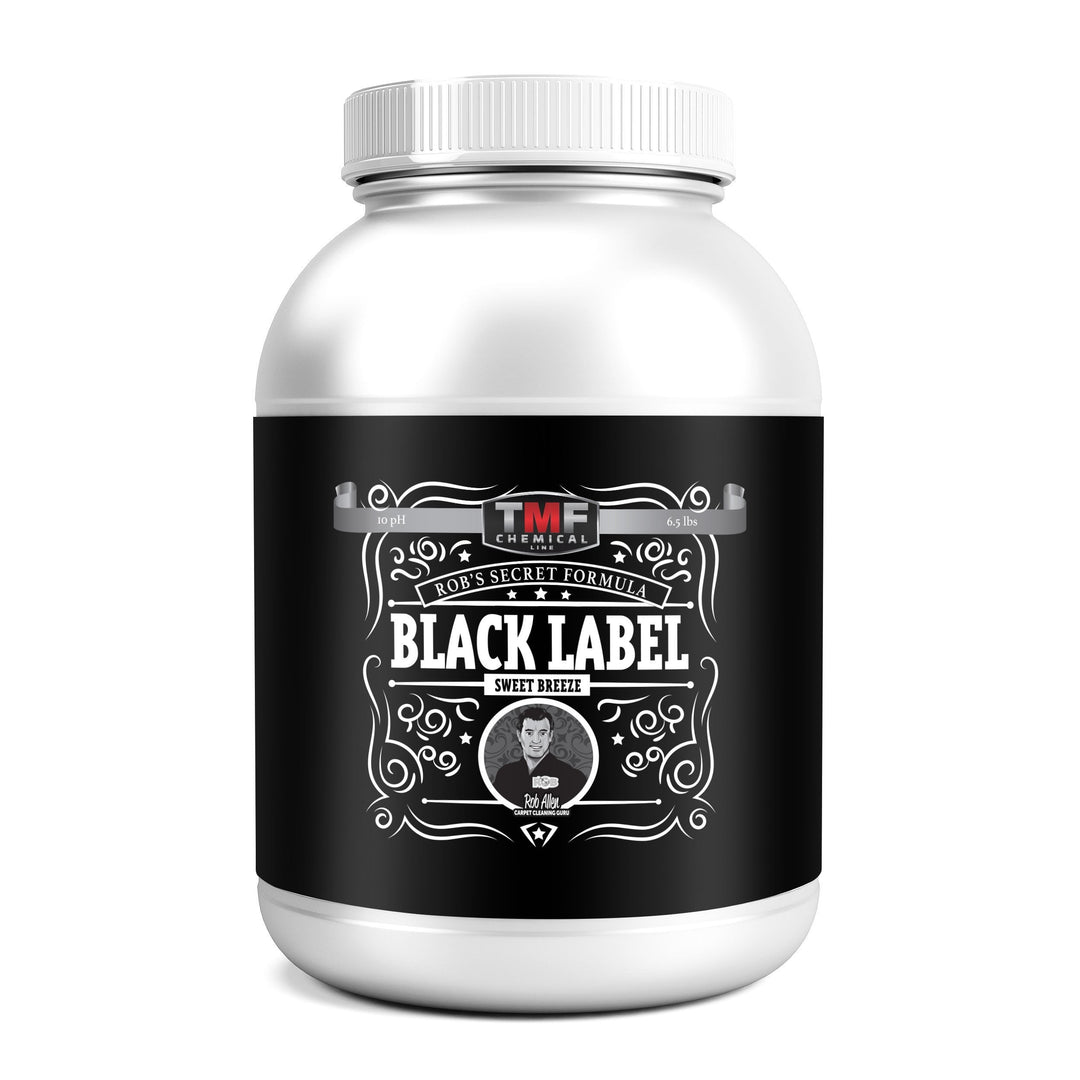
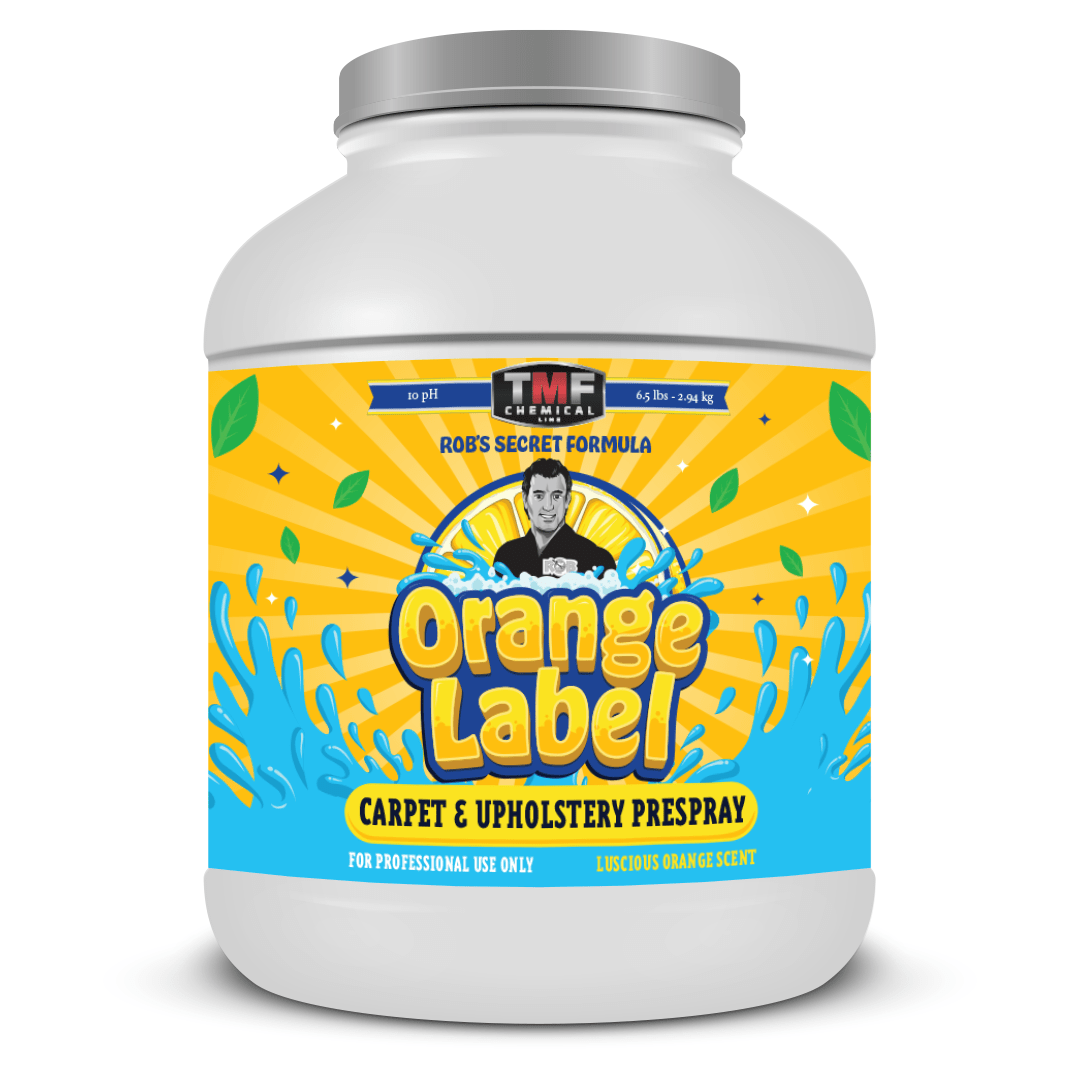
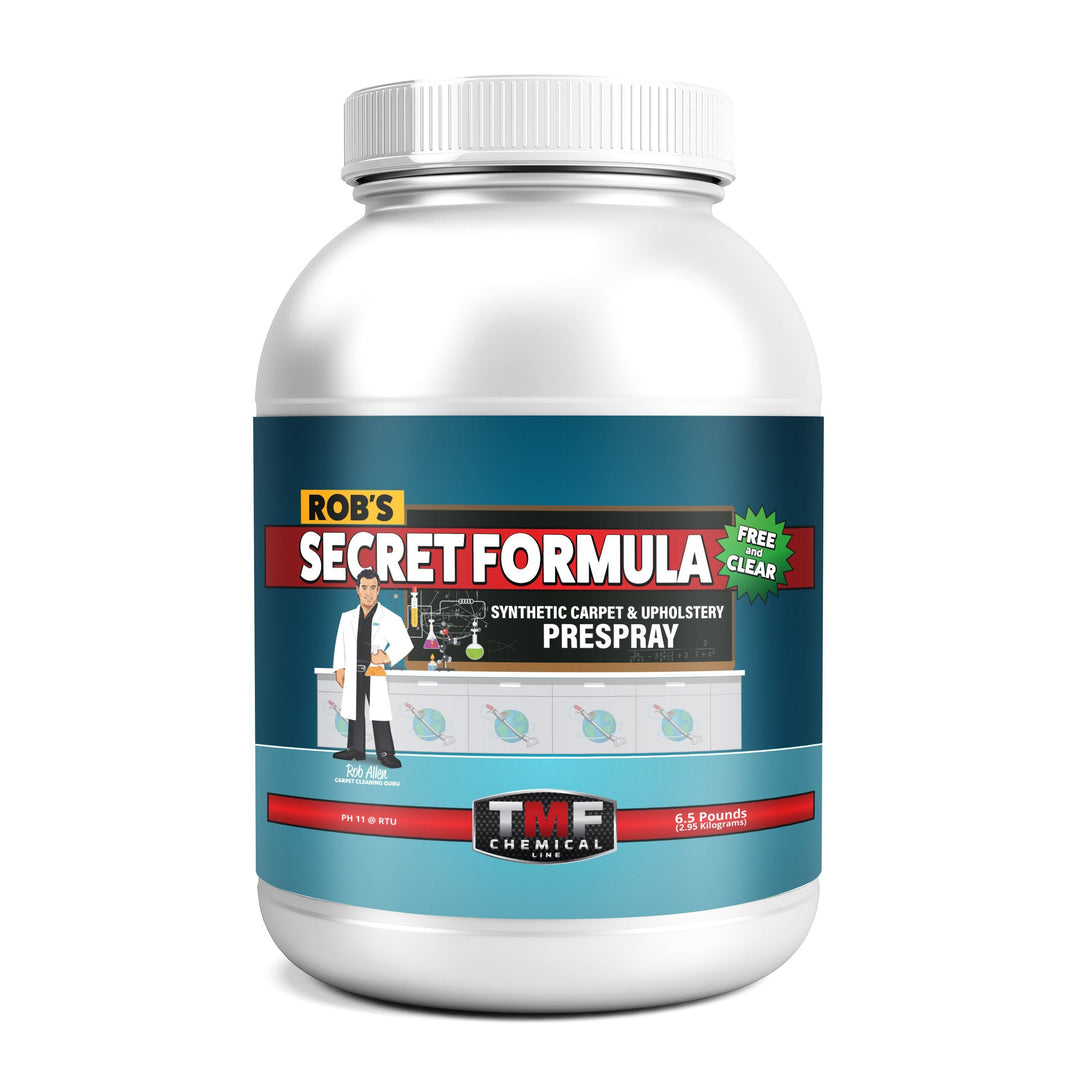
The workhorses of the TMF lineup. These alkaline formulas handle the oils, traffic lane soils, and general residential and commercial soiling that make up the bulk of every cleaner's job schedule.
Top picks
Enzyme and Bio Presprays
When standard cleaning agents are not enough - pet urine, protein-based soiling, and heavily bio-contaminated carpet need enzymatic action to break down at the source. Pair these with our pet odors and stain removal collection for complete odor treatment.
Top picks
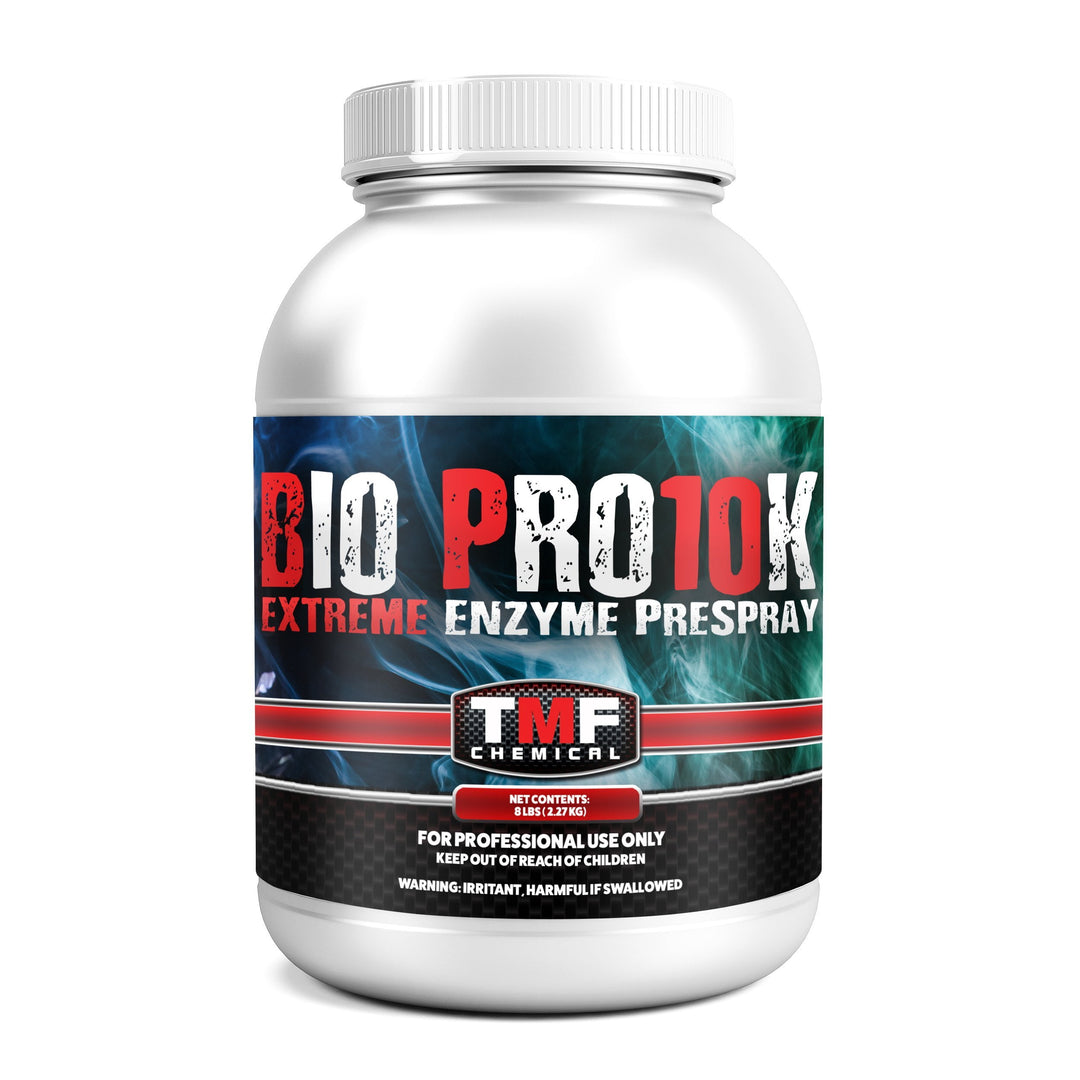
- Bio Pro 10K Enzyme Prespray - extreme enzyme concentration for pet-contaminated and heavily bio-soiled carpets. One of the most powerful enzyme presprays on the market.
- BioPro 10K Pail - the same formula in a high-volume pail format for cleaners running enzyme treatments on a regular basis.
Heavy-Duty and Powder Presprays
For commercial jobs where standard formulas run out of steam, and for high-output operations where powder concentrate makes more sense than gallon jugs.
Top picks
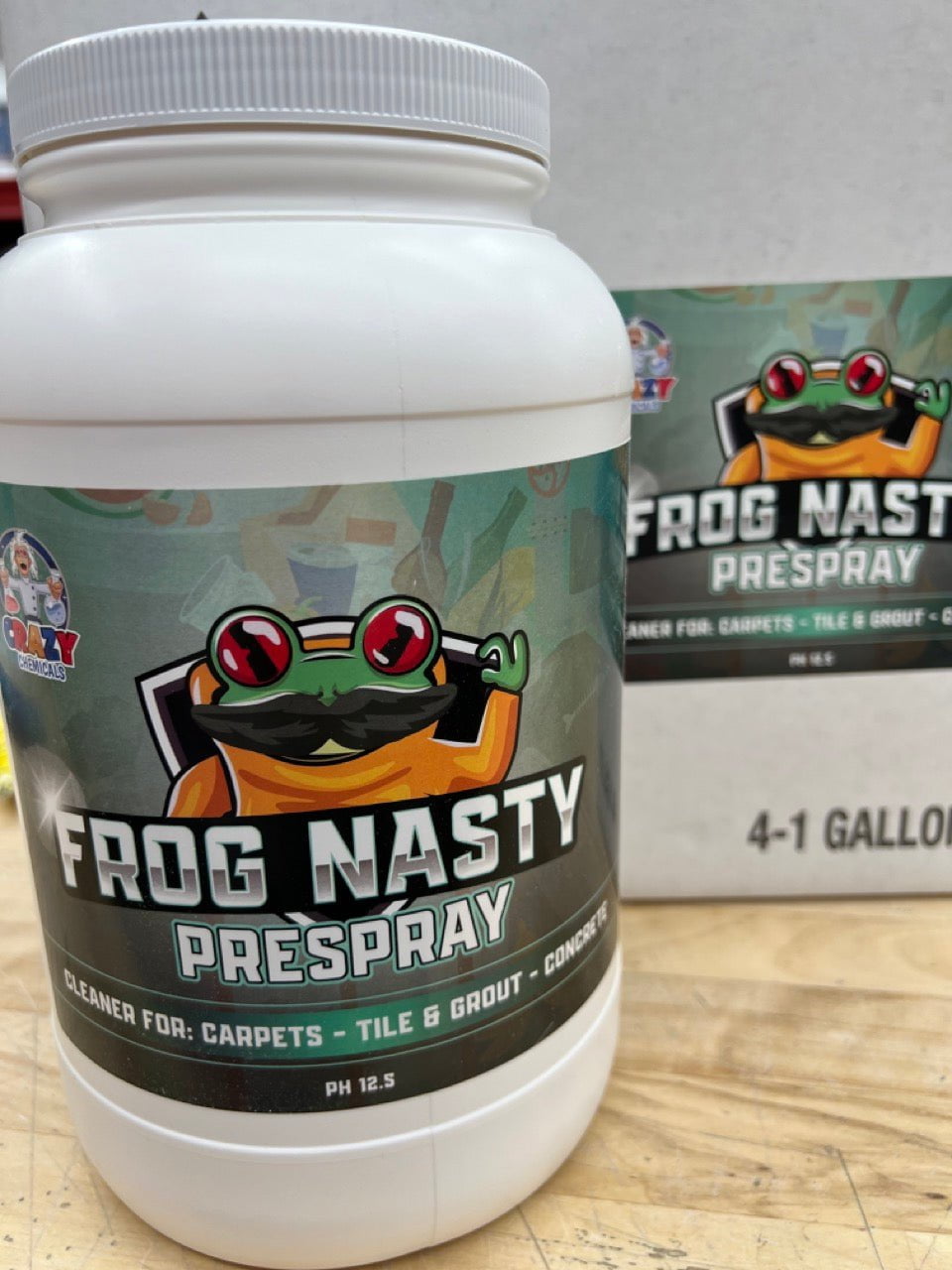
- Frog Nasty Pre Spray - heavy-duty alkaline formula engineered for the worst commercial soiling: grease-saturated restaurant carpet, dealership lobbies, and high-traffic commercial buildings that have gone too long between cleanings.
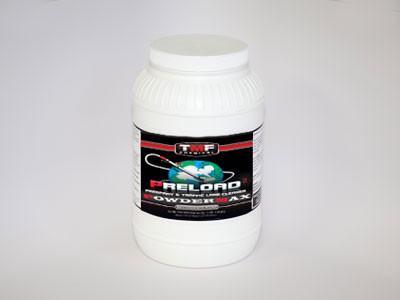
- Pre-Load 5 Powdermax - concentrated powder prespray for high-volume operations. Superior shelf life, easy storage, and consistent results job after job. Also available as a case of 4.
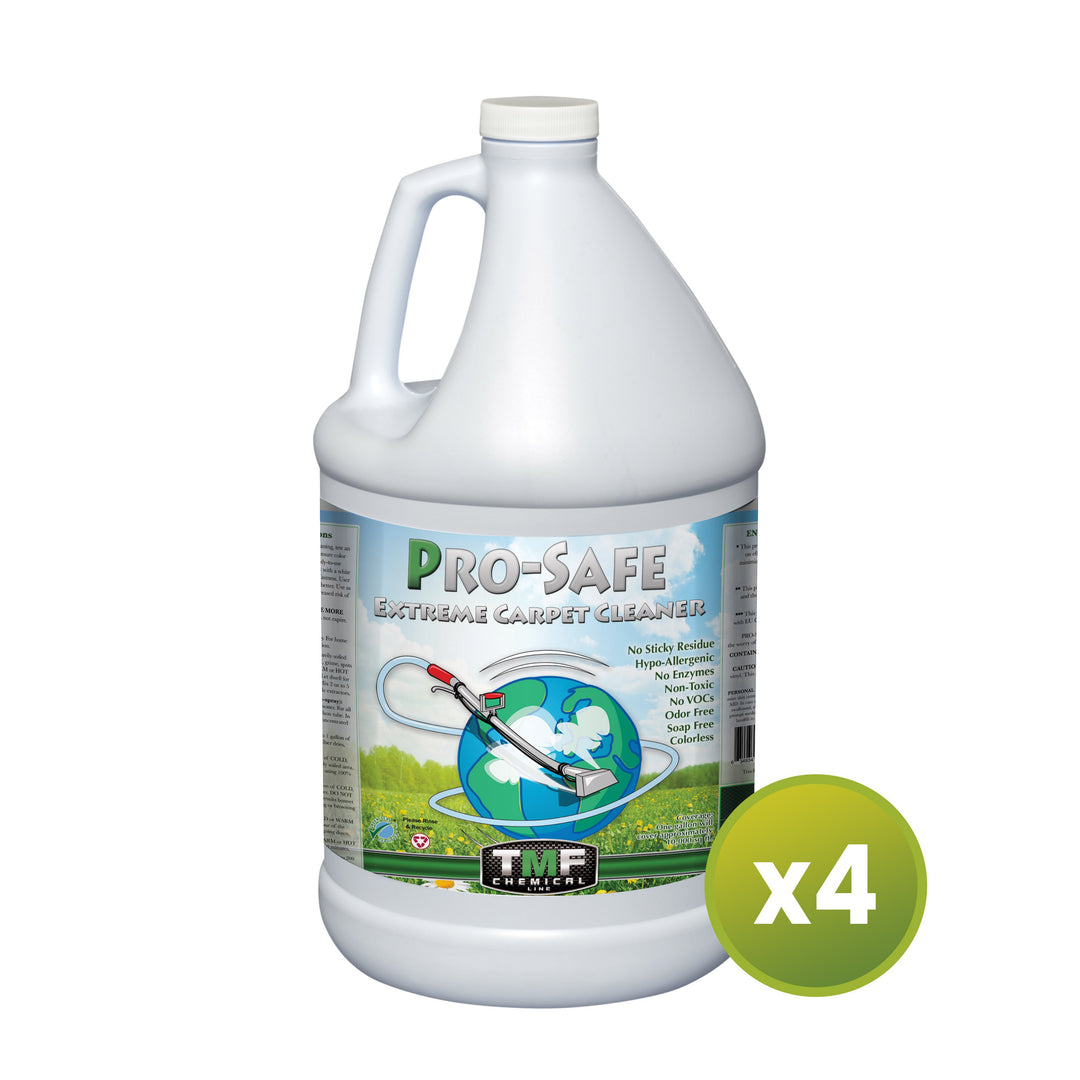
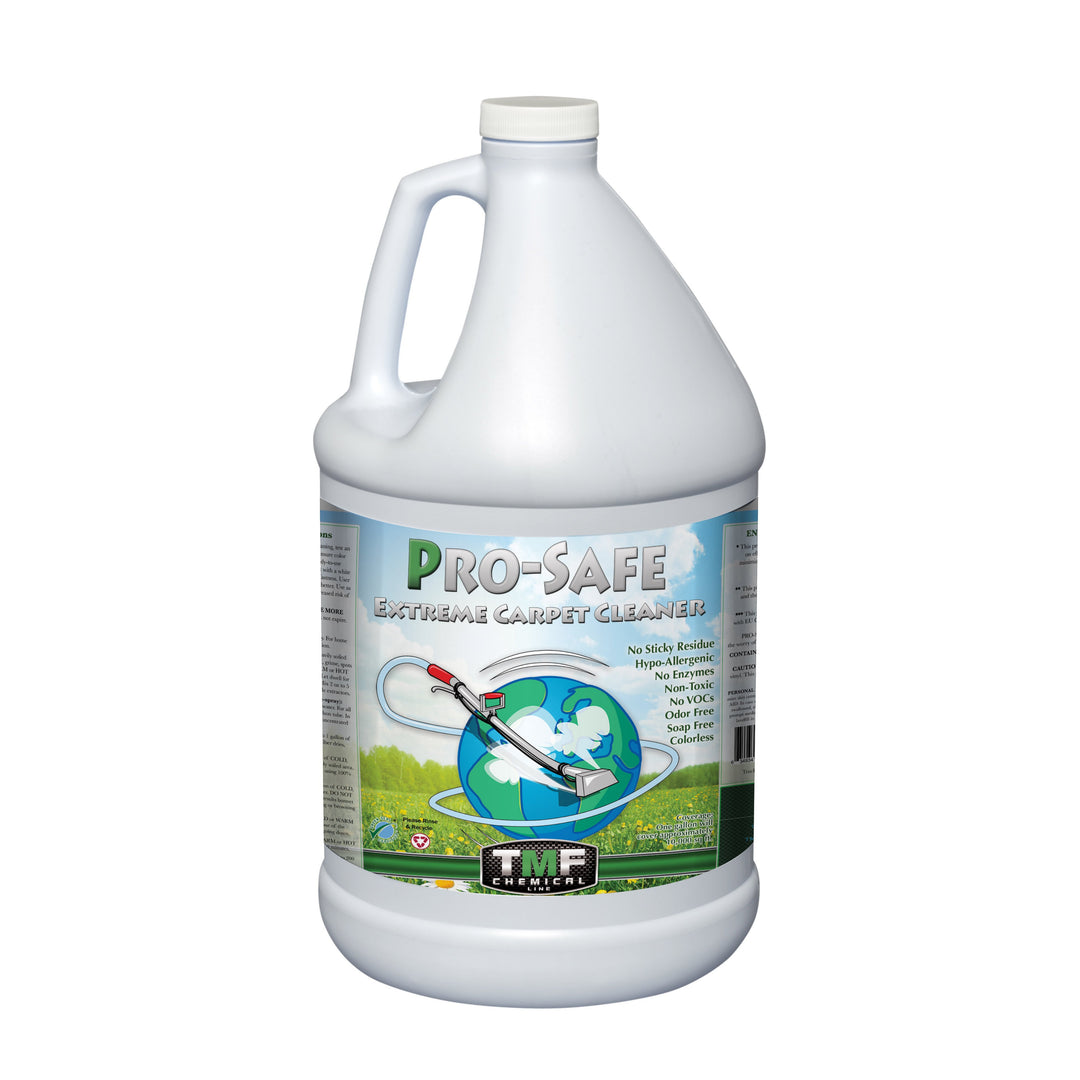
Specialty and Green Presprays
Purpose-built for cleaners who need a specific result - eco-friendly services, delicate or natural fibers, or a seasonal chemical that adds a unique customer experience.
Top picks
Tips for Getting the Most from Your Best Pre Spray Carpet Cleaner
Choosing the right product is half the battle. Application technique closes the gap:
Dwell time matters. Most alkaline presprays need 5-10 minutes of contact time to penetrate and emulsify soil. Spraying and immediately extracting wastes the chemistry. Set a routine: spray a room, move to the next, come back and extract.
Agitation accelerates results. A counter-rotating brush (CRB) or grooming brush works the prespray deeper into the pile and mechanically loosens bonded soil before extraction. On commercial carpet, this single step can double your results.
Dilution ratios are not suggestions. Over-diluting reduces effectiveness. Over-concentrating wastes product, risks residue, and can affect dye stability. Use a calibrated sprayer and follow the manufacturer's ratio.
Boost when the job calls for it. Standard presprays can be enhanced with an alkaline or enzyme booster for heavy soiling. Check our carpet cleaning boosters for options that pair with the TMF prespray range.
Follow with the right rinse. After a high-alkaline prespray, a proper acid rinse neutralizes residue and restores fiber pH, which prevents browning and re-soiling. Browse our detergents and rinses to complete your chemical process.
Keep a spotting kit on the truck. Prespray handles general soiling. For specific stains - red dye, rust, ink, adhesive - you need targeted chemistry. Our spotting chemicals cover the spots no prespray can handle alone.
Frequently Asked Questions
What is carpet pre-spray and why do I need it?
It is a chemical solution applied before extraction that loosens and emulsifies soil so your machine can remove it more completely. Without it, you are relying on hot water alone, which leaves soil bonded to fibers.
What pH should a carpet cleaning pre spray be for synthetic carpets?
Most synthetic carpets (nylon, polyester, olefin) tolerate alkaline presprays in the pH 9-11 range. Commercial-grade jobs may call for pH 12+. Always test on an inconspicuous area first.
Can I use a high-alkaline prespray on wool or stain-resistant carpet?
No. High-alkaline formulas damage wool fibers and can strip the stain-resistant treatment from protected carpets. Use a near-neutral or mild acid prespray on these fiber types.
How long should I let carpet pre spray dwell before extracting?
Most formulas recommend 5-10 minutes. Enzyme presprays may need up to 15 minutes for heavy bio-soiling. Do not let any prespray dry on the carpet before extraction.
Do I need to agitate after applying the best pre spray carpet cleaner?
Agitation is strongly recommended. A CRB, grooming brush, or even a stiff carpet rake works the chemistry into the pile and mechanically breaks up bonded soil, improving extraction results significantly.
What is the difference between a liquid and a powder carpet cleaning prespray?
Liquid presprays are ready-to-dilute and easier to apply through injection sprayers. Powders offer longer shelf life, often a higher concentration per unit of cost, and can be custom-mixed with boosters. Both work well when matched to the right job.
Should I use a rinse after a carpet cleaning prespray?
Yes, especially after high-alkaline formulas. An acid rinse neutralizes residual alkalinity in the fiber, reduces resoiling, prevents browning, and leaves the carpet in the correct pH range for the fiber type.
From the TMF Blog
When Your Prespray Fails - Not getting the results you expect? This article diagnoses the most common reasons a prespray underperforms and how to fix it on the next job.
Prespray Hacks: Game-Changing Injection Sprayer Modifications - How modifying your injection sprayer setup can change the way you deliver prespray and boost your cleaning results across every job.
How to Mix Up Prespray the Right Way - Ratios, water temperature, agitation tips, and the common mixing mistakes that silently hurt your clean.
The True Cost of Carpet Cleaning Prespray - A real breakdown of cost-per-room across liquid and powder formulas, so you can price jobs accurately and protect your margins.
Best Presprays - TMF Picks - A direct comparison of the top TMF presprays across job types, helping you match formula to the work you actually do.