How to Clean a Silk Rug: Safe Methods & Expert Care Tips
Key Takeaways
-
Silk rugs should never be cleaned with hot water extraction or steam - dry powder methods and cold water blotting protect the fibers from permanent stretching.
-
Vacuuming weekly with a suction-only setting (no beater bar) is the single most effective routine maintenance step for a silk rug.
-
Baking soda is the safest DIY deodorizer for silk; leave it for at least two hours before vacuuming to fully absorb moisture and odors.
-
For deep cleaning, use a powdered shampoo formulated for natural fibers - products designed for synthetic carpet will damage silk's protein structure.
-
Act on spills within minutes; dried stains on silk are exponentially harder to remove than fresh ones, even with professional-grade products.
Knowing how to clean a silk rug correctly comes down to one principle: less is more. Silk is a protein fiber - the same biological family as wool and human hair - and it reacts badly to high heat, alkaline chemicals, and excess moisture. Get those three factors wrong, and an expensive rug can be permanently damaged in a single cleaning session.
This guide covers every safe method, from routine sweeping to targeted stain removal, so your silk rug stays beautiful for decades.
How to Clean a Silk Rug at Home
Cleaning a silk rug at home is straightforward when you use the right tools and avoid the common mistakes that destroy delicate fibers. Professional care is always the gold standard, but consistent home maintenance keeps your rug in good condition between professional cleanings.
These general care steps apply to all oriental silk rugs, including Persian, Turkish, and Chinese silk varieties.

Sweep With a Soft Broom
Depending on how dusty your home gets and how much foot traffic your silk rug handles, the frequency of sweeping will vary. Sweeping every few days with a soft-bristle broom removes surface dust before it works its way into the pile.
Never use a brush or broom with coarse bristles - those will snag and break the fine silk filaments. The tool you'd use on a cowhide rug is far too aggressive for silk. Think of a soft horsehair broom as the right baseline.
Hang and Beat the Rug
Sometimes sweeping alone won't clear deeply embedded dust. Hanging the rug over a sturdy clothesline and beating it lightly with a soft broom handle dislodges particles trapped at the foundation level.
Wear a disposable mask to avoid inhaling the released dust. Use only light, controlled strikes - silk is more fragile than a shag rug or a jute rug and doesn't need force to release dust. Never drape a silk rug over a metal fence rail, as the pressure point will crease and potentially break warp threads underneath.
Vacuum Weekly - the Right Way
Regular vacuuming is still the most effective way to remove household dust and debris from a silk rug. The key is machine settings, not frequency.
Use a vacuum on its lowest suction setting with no rotating brush or beater bar attachment. A powerhead or beater bar will mechanically stretch silk filaments on every pass, causing fiber distortion that is irreversible. Unlike cleaning a large polyester rug where aggressive settings help, silk requires suction only. Vacuum in the direction of the pile, not against it.
Absorb Odors and Moisture
Silk rugs are just as prone to picking up odors as any other floor textile, but baking soda handles the job safely. It's a hygroscopic substance - it actively draws moisture out of the fibers - which also eliminates the odor source rather than masking it. It won't leave fragrance or residue, making it ideal for pet and cigarette smoke odors alike.
Sprinkle baking soda generously across the rug surface. Work it gently across the pile with your fingers or a soft brush. Leave it for a minimum of two hours - longer if the odor is strong. Then vacuum it up thoroughly. If any white cast remains, vacuum again; a residue left behind can attract more soil over time.
Remove Stains Safely
No matter how carefully you protect a silk rug, stains happen. For food or beverage spills, remove any solid matter with a spoon first, then blot - never rub - the liquid with a clean, soft cloth. Rubbing spreads the stain and forces it deeper into the pile.
Pour a small amount of cold club soda directly onto the affected area and blot again with a fresh cloth. The carbonation helps lift the stain to the surface. Allow to air dry completely. This is the best way to clean rugs made from natural protein fibers, and the same technique works for spot-cleaning a wool rug.
One critical rule: never soak the rug. Silk absorbs moisture faster than almost any other fiber, and trapped moisture creates ideal conditions for mold and mildew within 24 to 48 hours. Keep all wet treatments minimal and ensure the rug dries quickly in a well-ventilated area.
How to Clean Silk Persian Rugs
Silk Persian rugs carry significant monetary and cultural value, and the cleaning method matters as much as the cleaning frequency. Consistent light cleaning at home extends the life of the rug and reduces the need for aggressive professional intervention.

Use a Powder Carpet Shampoo
A dry or low-moisture powder shampoo is the safest cleaning method for silk rugs at home. Steam cleaning - ideal for sheepskin rugs - is not appropriate here. Hot water extraction is also generally not recommended for silk, for one structural reason: silk fibers stretch significantly when wet, and unlike wool or nylon, they lack the elasticity to recover.
Once a silk fiber is stretched out of shape, the distortion is permanent. Dry cleaning avoids this entirely.
Sprinkle the powder shampoo lightly over the soiled area, work it gently into the pile with a soft brush, leave it for the time specified on the product label, then vacuum it up completely. The same dry powder approach works well for sisal and jute rugs, both of which share silk's sensitivity to excess water.
Choose Products Made for Natural Fibers
Using the wrong chemistry on silk is one of the most common - and most costly - mistakes in rug care. Highly alkaline presprays and synthetic carpet detergents strip the sericin protein from silk filaments, causing dulling, yellowing, and fiber breakdown over time.
For soiled areas on a silk Persian rug, our RSF Cotton and Linen Shampoo is specifically formulated for natural and delicate fibers. It cleans, brightens, and refreshes in a single step without the harsh alkalinity that damages silk. Before applying any product to the full rug, test it on an inconspicuous corner and check for colorfastness - some antique silk rugs use fugitive dyes that bleed under any cleaning product.
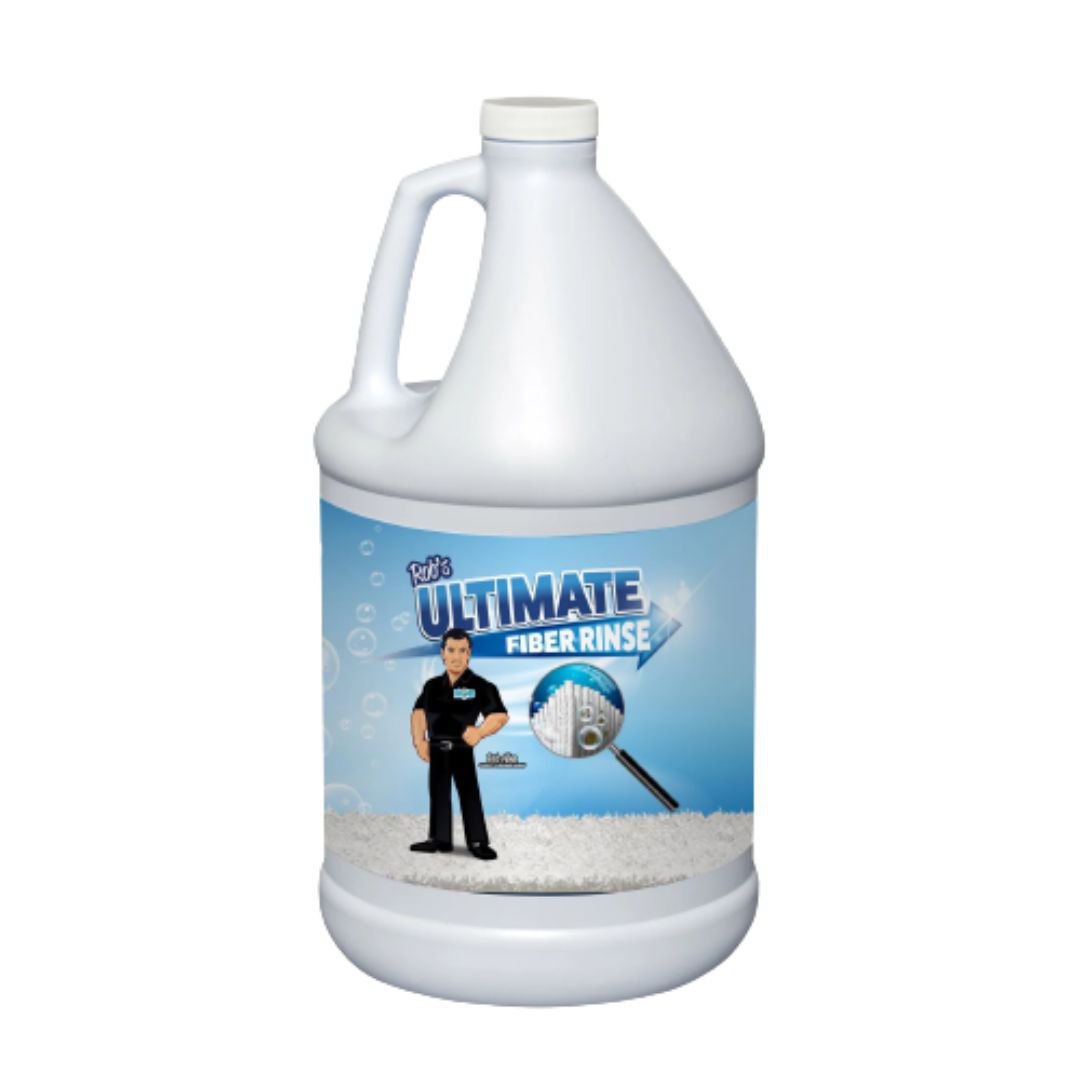
For a finishing rinse that neutralizes residue without over-wetting the fiber, the Ultimate All Fiber Rinse is a professional-grade option that works safely on silk.
You'll find a full range of fiber-safe options in our wool and rug care collection, which includes products tested specifically on natural fiber textiles.

Silk Rug Care Tips
The best silk rug cleaning is the one you prevent needing in the first place. These care habits reduce the frequency and intensity of cleaning required, protecting your investment over the long term.
Make the Rug a Pet-Free Zone
Pet urine is particularly damaging to silk. The acidity attacks the protein structure of the fiber, and if it reaches the foundation warp and weft threads, the structural integrity of the rug can be compromised. Alkaline pet urine from dogs also reacts with silk dyes, causing color shifts that can't be reversed.

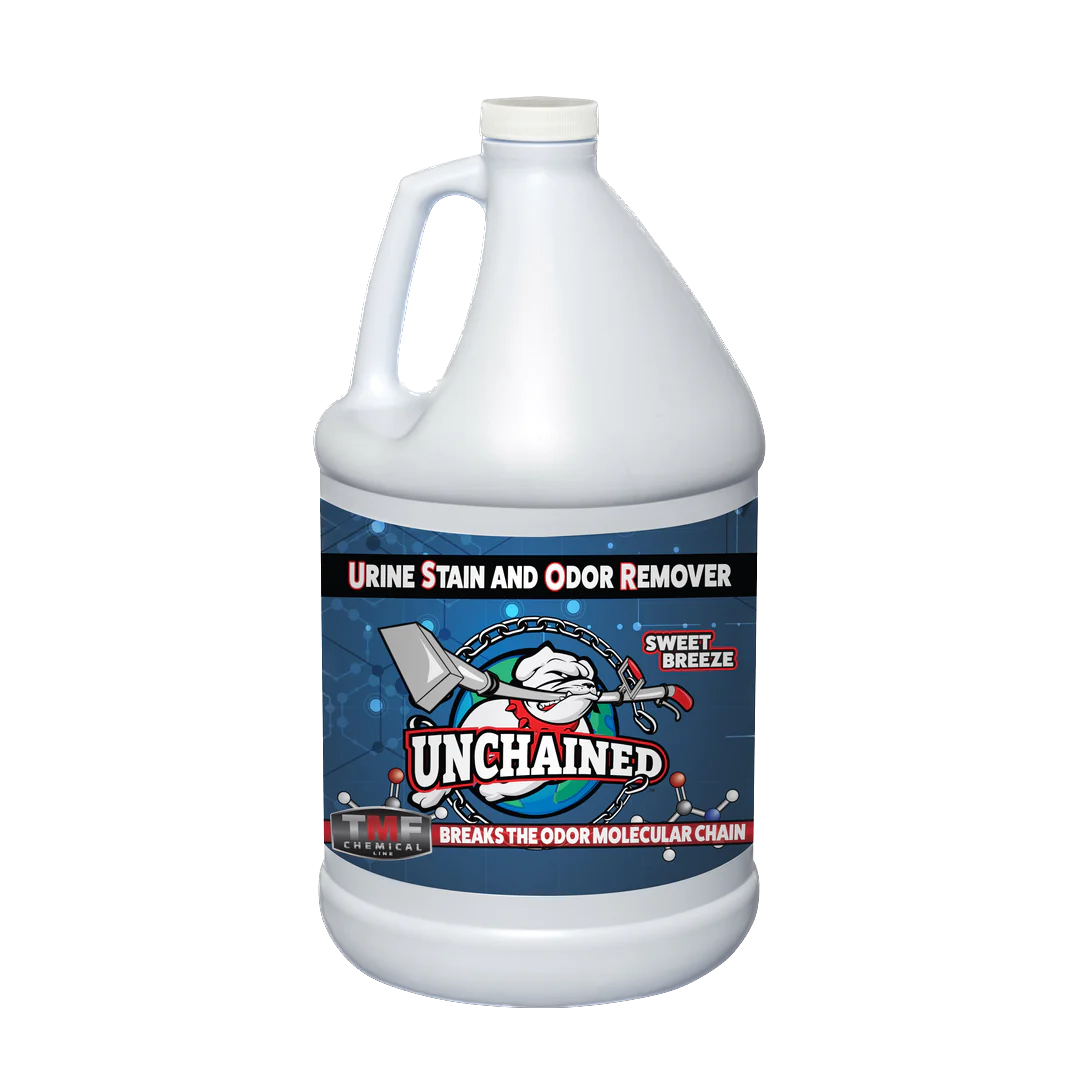
If a pet urine incident does occur, act immediately. Blot up as much liquid as possible with a clean cloth, then apply cold club soda and blot again. For persistent odor, the USOR Unchained urine stain and odor remover from TMF Store is enzyme-based and pH-balanced for use on sensitive fiber types. Always spot-test first.
Keep Food and Drinks Away
Keep silk rugs out of dining rooms and away from spaces where young children snack on the floor. Food oils and tannin stains from wine and juice set quickly into silk, and the longer they sit, the harder they become to remove.
Club soda works on fresh wine stains, but there are no guarantees once the tannins have bonded to the fiber. Speed is everything - a spill you treat within two minutes has a far better prognosis than one treated an hour later.
Limit Foot Traffic
Silk Persian rugs are decorative pieces, not workhorses. Constant foot traffic accelerates pile wear and compresses the knot structure in ways that can't be restored. Position your silk rug in a low-traffic area - a formal sitting room or bedroom works well.
If furniture sits on the rug, place felt pads under every leg to distribute the weight. Never drag furniture across silk; lift and reposition it. Place a quality rug pad underneath the silk rug to prevent slipping and to cushion the pile from compression against hard floors.
Protect From Direct Sunlight
UV radiation fades silk dyes faster than almost any other rug fiber. Position your silk rug away from windows with direct sun exposure - the bleaching effect is gradual but cumulative, and there is no product that restores UV-faded color to its original depth.
If the rug must occupy a sunny room, rotate it 180 degrees every three to six months so that any fading develops evenly. Window films that block UV are also worth considering. Once a silk rug fades unevenly, re-dyeing is the only remedy, and that's a specialist job with unpredictable results.
Frequently Asked Questions
Can you wash a silk rug with water? Silk rugs can tolerate small amounts of cold water for spot treatment, but should never be soaked or machine washed. Excess water causes silk fibers to stretch permanently, and the rug may not dry evenly, leading to mold or color bleeding.
Can you use a steam cleaner on a silk rug? No. Steam cleaners apply both heat and moisture - two of the three main threats to silk fiber integrity. The heat can cause shrinkage and dye migration, while the moisture stretches the fibers. Dry powder methods are the safe alternative.
How often should a silk rug be professionally cleaned? Most professionals recommend a full cleaning every two to three years for a silk rug in normal use, supplemented by regular vacuuming and spot treatment at home. High-traffic placement may require more frequent professional attention.
What's the safest way to remove a stain from a silk rug? Blot fresh stains immediately with a dry cloth, then apply a small amount of cold club soda and blot again. Avoid rubbing. For dried or set stains, contact a professional rug cleaner who specializes in natural fibers before attempting any product treatment.
Can I vacuum a silk rug? Yes, but only with suction only - no rotating brush roll or beater bar. Set the vacuum to the lowest suction level and move it in the direction of the pile. Vacuum once a week or every two weeks depending on foot traffic.
Why does my silk rug look dull after cleaning? Dullness after cleaning usually results from alkaline product residue left in the fiber, or from water damage that has altered the surface refraction of the silk. A pH-neutral rinse like the Ultimate All Fiber Rinse can help restore sheen if the issue is residue.
What's the difference between cleaning a silk rug and a wool rug? Wool has natural elasticity and tolerates more moisture than silk. Silk lacks elasticity entirely, making over-wetting a permanent risk. Both benefit from low-moisture methods and pH-neutral products, but silk requires an even lighter touch. See our wool rug cleaning guide and Persian rug guide for fiber-specific comparison.
Can I use regular carpet cleaner on a silk rug? Standard carpet cleaners are generally too alkaline for silk and can cause color fading, fiber dulling, and structural damage. Always use products labeled safe for natural or delicate fibers, and test on a hidden area first.
Conclusion
Silk rugs reward careful ownership. The cleaning rules are straightforward - low moisture, neutral pH, no heat, no beater bars - and when followed consistently, a silk rug can hold its color, luster, and structural integrity for generations. For the right professional-grade products built for natural fiber care, explore our rug cleaning tools and carpet cleaning chemicals collections.
Related guides you may find helpful: