How to Clean Cat Poop from Carpet: 5-Step Expert Guide
Key Takeaways
-
Act fast - fresh cat feces cleans up in minutes; dried stains can take multiple treatments
-
Never use hot water on cat poop - heat sets protein-based stains permanently into carpet fibers
-
Enzymatic cleaners outperform every DIY solution because they destroy odor at the molecular level, not just mask it
-
Always blot, never rub - rubbing spreads the stain and drives it deeper into the pile
-
Treating the smell is non-negotiable: cats can detect residual odors humans can't, and will return to the same spot
Cat poop on your carpet is unpleasant - but the real damage happens when you clean it wrong. Most people reach for hot water, scrub hard, and wonder why the stain sets or the smell comes back a week later. This expert guide walks you through how to clean cat poop from carpet the right way, covering fresh messes, dried feces, diarrhea, and permanent odor elimination. We'll also cover the mistakes that turn a 10-minute fix into a carpet replacement.
Is Cat Poop on Carpet Actually Dangerous?
Cat feces carries genuine health risks that most cleaning guides skip over. Before grabbing a paper towel, it's worth knowing what you're dealing with.
Cat poop can contain Toxoplasma gondii, a parasite that poses serious risks to pregnant women and immunocompromised individuals. According to the CDC, Toxoplasma infection affects an estimated 11% of the US population aged 6 and older, with cats serving as a primary transmission host. Feces can also carry Campylobacter and Salmonella bacteria, both of which transfer easily through skin contact or airborne particles during cleaning.

What's in Cat Feces That You Need to Know
Cat poop is also a protein-based organic waste. This matters for cleaning because protein stains react to heat - the proteins literally cook and bond to carpet fibers when exposed to hot water. That's why cold or lukewarm water is mandatory for every step of this process.
How to Protect Yourself Before You Start
Put on rubber or disposable gloves before touching anything. A face mask is a smart addition - not just for the smell, but to keep airborne bacteria out of your airways. Wear old clothes you don't mind getting dirty. If you're pregnant or immunocompromised, have someone else handle the cleanup when possible.
What You Need to Clean Cat Poop from Carpet
Gather everything before you start. Stopping mid-process to search for supplies is how stains set.
Essential supplies:
-
Disposable rubber gloves and a face mask
-
Paper towels or clean white cloths (white shows you how much stain is transferring)
-
A plastic bag for waste disposal
-
A spoon, butter knife, or spatula (for dried poop)
-
A spray bottle
-
Your cleaning solution (see options below)
-
Baking soda
-
A vacuum
Cleaning solution options - from least to most effective:
|
Solution |
Best For |
Limitation |
|
2 cups cool water + 1 tbsp dish soap + 1 tbsp white vinegar |
Fresh stains, light soiling |
Masks odor rather than eliminating it |
|
Baking soda + equal parts vinegar and water |
Moisture absorption, light odor |
Short-term relief only |
|
Hydrogen peroxide (3%) + dish soap |
Light-colored carpets, protein stains |
Can bleach dark carpets - test first |
|
Professional enzymatic prespray |
All stain types, permanent odor removal |
Requires a small investment |
The #1 Product Pros Reach For First
Enzymatic cleaners are the professional standard for a reason. They contain active biological enzymes that break down the organic compounds in feces and urine at a molecular level - destroying the odor source rather than covering it. A quality professional enzymatic prespray delivers results that DIY solutions simply can't replicate, especially for repeat offenders or deep-set stains.
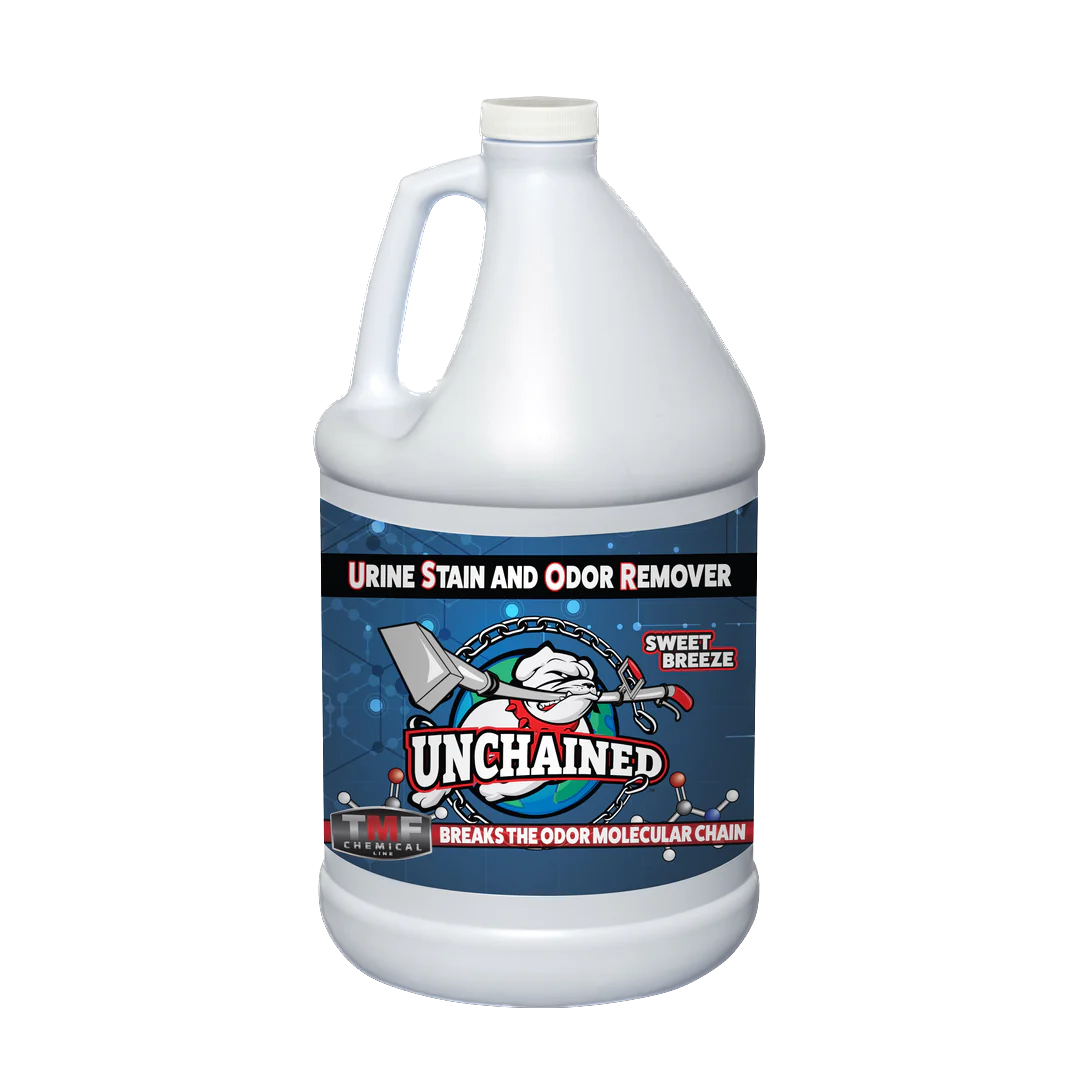
For serious odor cases, USOR Unchained combines enzymatic action with EcoCide technology - one of the most effective pet odor and stain removers available to both professionals and homeowners.

Pro Tip - Never Use Hot Water on Cat Poop Cat feces is a protein-based stain. Hot water denatures those proteins and fuses them to carpet fibers - the same way cooking bonds food to a pan. Once that happens, the stain is nearly permanent. Use cool or lukewarm water only, at every stage of the cleaning process.
How to Clean Fresh Cat Poop from Carpet
Fresh cat poop is far easier to handle than dried - act within the first 30 minutes and you'll likely remove the stain completely in a single treatment.

Step 1: Remove the Solid Waste
Put on your gloves first. Pick up any large chunks of solid poop with a folded paper towel and drop them directly into a plastic bag. Seal the bag immediately to contain bacteria and odor.
For softer feces, use a spoon or spatula to scoop - work from the outer edge of the mess toward the center to avoid spreading it. Never press down into the carpet.
Step 2: Blot - Never Rub
Take a clean white paper towel and blot the soiled area firmly. Work from the outside edge inward - this prevents the stain from spreading outward into clean fibers. Replace the paper towel as soon as it picks up color.
Rubbing is the single most common mistake people make. It drives the stain deeper into the pile and can permanently distort carpet fibers.
Step 3: Apply Your Cleaning Solution
Before applying any solution, do a quick colorfast test: apply a small amount to a hidden area of carpet (inside a closet or behind furniture) and blot after 2 minutes. If color transfers to the cloth, choose a gentler option.
Once confirmed safe, apply your chosen solution to the stained area. For a DIY mix, combine 2 cups of cool water, 1 tablespoon of dish soap, and 1 tablespoon of white vinegar in a spray bottle. Mist the area - don't soak it. Over-wetting pushes the stain into the carpet backing and subfloor.
Let the solution dwell for 3-5 minutes to penetrate the stain.
Step 4: Rinse and Dry
Blot the solution up with a fresh clean cloth, working outside-in. Apply a small amount of plain cool water to rinse, then blot again until the cloth comes back clean. Press a dry towel firmly onto the area and let it sit for several minutes to absorb remaining moisture.
Allow the carpet to air dry fully before walking on it. A fan or open window speeds drying significantly.
Step 5: Treat for Odor
Even when the stain looks gone, residual odor compounds remain in the fibers. Sprinkle a generous layer of baking soda over the cleaned area and let it sit for at least 30 minutes (overnight is better). Vacuum thoroughly.
For permanent odor removal, apply an enzymatic cleaner to the dried area per the product instructions. This step is critical if your cat has used this spot before.

How to Get Dried Cat Poop Out of Carpet
Dried cat poop stains are harder to remove than fresh ones because the feces has bonded to the carpet fibers over time. The same principle applies as cleaning dried cat urine - you need to rehydrate, then lift.
Step 1: Gear Up
Gloves, face mask, old clothes - the same protection protocol as above. Dried feces can release bacteria into the air during scraping, so the mask matters more here than with fresh messes.
Step 2: Loosen and Lift the Dried Feces
Use a butter knife, spoon, or spatula to gently break up and scrape the dried poop away from the carpet fibers. Work carefully and patiently - resist the urge to scrape hard. Aggressive scraping drives particles deeper into the pile and can damage fiber structure.
Grab white paper towels and remove as much material as possible before any liquid is introduced. This is the same approach used when getting cat litter out of carpet after it's dried.
If the poop breaks into small particles as you work, vacuum them up before proceeding so loose debris doesn't spread.
Pro Tip - Colorfast Test Here Before applying any cleaning solution to a dried stain, always test on a hidden patch of carpet first. Dried stains often require stronger solutions, which carry a higher risk of color lift on delicate or older carpets.
Step 3: Clean the Stain
Apply your cleaning solution - a mix of 2 cups cool water, 1 tablespoon dish detergent, and 1 tablespoon vinegar works well as a starting point. Let it dwell for 5 minutes to rehydrate and loosen the remaining stain.
Then, using a clean white cloth, gently blot the area until you see the stain transferring from the carpet to the cloth. Continue blotting, rotating to a clean section of cloth each pass, until the stain is removed.
Alternatively, sprinkle a heap of baking soda over the area and let it sit for 10 minutes. Apply a solution of equal parts vinegar and water - you'll see it bubble as the stain loosens from the carpet fibers. Blot as described above until the stain is fully gone.
Step 4: Treat the Smell
Unless you used a professional enzymatic cleaner, the smell will still register to your cat's nose - even if you can't detect it. Cats have an olfactory sensitivity roughly 14 times greater than humans, which means they will return to the same spot to defecate again if any residual odor remains.
Combine 5 tablespoons of hydrogen peroxide with 2 tablespoons of dish detergent. Blot (don't rub) the mixture into the stained area, then blot with a clean white cloth to lift it out. Alternatively, cover the area with baking soda for 10 minutes, then vacuum.
For guaranteed odor elimination, apply a quality carpet cleaning chemical with enzymatic action after the area has dried.
Step 5: Vacuum and Finish
Allow the carpet to dry completely before vacuuming. Any standard household vacuum handles the final pass fine. If the stain has penetrated deeply into thick pile carpet, a second treatment 24 hours later often clears what the first pass couldn't.
How to Get Cat Diarrhea Out of Carpet
Cat diarrhea is the most challenging carpet stain in this category. The high moisture content means it spreads quickly and penetrates the carpet backing fast - speed is everything here.

Step 1: Remove Solid and Semi-Solid Waste
Start with a shovel, spoon, or paper towels and pick up as much solid matter as possible. Then fold a paper towel in half and dab the area to soak up moisture - don't wipe or drag. Work from the outer edge inward.
Do this until the paper towel comes back clean. Use only dry paper towels at this stage - introducing any additional moisture now will spread the stain further into the fibers.
Step 2: Absorb Residual Moisture with Baking Soda
After removing as much solid waste as possible, pour a generous heap of baking soda over the stain - at least a quarter-inch thick. Let it sit for 20 minutes to 2 hours depending on how wet the stain is.
The baking soda draws residual moisture and odor compounds out of the fibers. Once it has dried, vacuum the baking soda and any remaining dried particles. For stubborn bits still clinging to the fibers, use a comb or teaspoon to lift them - do not scrape hard, as this pushes them deeper.
Step 3: Clean and Deodorize
Repeat Steps 3-5 from the dried cat poop section above - apply solution, blot, rinse, dry, treat for odor.
For cat diarrhea specifically, an enzymatic cleaner is not optional - it's the only product category that reliably eliminates the complex organic compounds in liquid feces. DIY solutions will reduce the smell temporarily but rarely eliminate it at the depth the stain reaches.
Expert Insight: Diarrhea is harder to clean than solid feces because the liquid state allows bacteria and odor compounds to wick deeply into the carpet backing and potentially into the subfloor beneath. If you're treating a recurring diarrhea spot or a large-area mess, professional extraction equipment may be necessary to fully clear the contamination.
How to Get Cat Poop Smell Out of Carpet - For Good
Removing the visible stain is only half the job. The smell is what determines whether your cat treats that spot as a permanent bathroom.
Why the Smell Keeps Coming Back
Cats possess a sense of smell roughly 14 times more sensitive than humans. Even after a cleaned area looks and smells fine to you, a cat can detect residual organic compounds left in the fibers - specifically the mercaptans and sulfur compounds in feces. Those residual signals tell the cat this is an acceptable elimination site, and they will return.
Standard household cleaners mask these compounds. Enzymatic cleaners destroy them. That distinction is the entire reason odor keeps coming back after DIY treatments.

The Right Way to Permanently Eliminate the Odor
Start by ensuring the stain itself is fully cleaned - whether wet or dry, the source needs to be removed before treating the smell. If the odor is particularly pungent, an enzymatic cleaner is the correct tool, not baking soda alone.
Apply the enzymatic cleaner directly to the affected area per the product instructions. Allow it to fully dwell and dry - don't blot it up prematurely. The enzymes need time to work through the fibers.
DIY Odor Options vs. Professional Enzymatic Cleaners
|
Method |
Effectiveness |
Cost |
Permanence |
|
Baking soda |
Moderate - absorbs surface odor |
Very low |
Temporary (24-48 hrs) |
|
White vinegar spray |
Low-moderate - neutralizes some compounds |
Very low |
Temporary |
|
Hydrogen peroxide + dish soap |
Moderate - good on protein stains |
Low |
Short-term |
|
Store enzymatic cleaner |
High |
Moderate |
Good for light cases |
|
Professional enzymatic prespray |
Very high |
Moderate |
Permanent |
For truly stubborn odors - particularly from repeat offenses or large affected areas - explore spot and stain removers formulated specifically for biological waste.
Step 3: Aftercare
After treating the stained area, lift the rug or carpet if possible and clean the floor underneath. Feces liquid can seep through to the subfloor, and if that area isn't addressed, odor will persist regardless of how well the carpet surface is cleaned.
Clean and replace the cat's litter box after any carpet accident. Cats often go outside the box when the litter is dirty, the box is in an uncomfortable location, or there's a health issue driving the behavior.

What NOT to Do When Cleaning Cat Poop from Carpet
This section is the one most guides skip - and it's where most people permanently damage their carpet or guarantee a repeat offense.
Don't use hot water. Cat feces is a protein stain. Hot water cooks and sets those proteins into carpet fibers, making the stain nearly impossible to remove. Cold or lukewarm water only.
Don't scrub - blot only. Scrubbing untwists carpet fibers, spreads the stain laterally, and drives it deeper into the backing. Blot firmly, work from outside in, replace the cloth frequently.
Don't use bleach. Bleach doesn't neutralize organic odors effectively - it oxidizes them temporarily. Worse, it discolors carpet and breaks down synthetic fibers. Not worth the risk.
Don't over-wet the carpet. Flooding the area with solution pushes the stain down into the carpet backing, the pad, and the subfloor. Apply solution in controlled mist amounts, not pours.
Don't skip the odor treatment. Even if the stain looks gone, skip the enzymatic treatment and your cat will find that spot again. This step isn't optional.
Don't skip the colorfast test. Always test your cleaning solution on a hidden patch before applying it to a visible area. Different carpet fibers - especially wool, silk, and older synthetics - react unpredictably to cleaning agents.
Why Is My Cat Pooping on the Carpet?
A single accident is normal. Repeated carpet elimination points to a root cause worth identifying.
Litter box issues are the most common trigger. A dirty box, too few boxes for a multi-cat household (the rule of thumb is one per cat plus one extra), or an inconvenient location can all push cats to find alternatives. Clean the box daily and reassess placement.
Medical reasons include gastrointestinal disorders, parasites, or conditions like inflammatory bowel disease that reduce bowel control. If accidents are frequent or the feces is consistently abnormal, a vet visit is the right call.
Stress and behavioral triggers - new pets, new people, a moved litter box, or even a change in cat litter brand - can disrupt elimination habits. Cats are highly routine-dependent and sensitive to environmental changes.
If the problem is recurring, treating the carpet well is only half the solution. Eliminating the odor trace with a professional-grade product from TMF's carpet cleaning supplies is critical to breaking the repeat-accident cycle.
FAQ
How do you get dried cat poop out of carpet? Scrape the dried feces gently with a butter knife or spoon, working from the outer edge inward. Vacuum loose particles, then apply a cool water and dish soap solution to rehydrate the stain. Blot - never rub - until the stain lifts. Follow up with an enzymatic cleaner for odor removal.
Does baking soda remove cat poop smell from carpet? Baking soda absorbs surface odors and works well as a short-term measure. Sprinkle generously, let it sit for at least 30 minutes (overnight is better), then vacuum. For permanent odor removal, an enzymatic cleaner is necessary - baking soda alone doesn't break down the biological compounds causing the smell.
Can you use hydrogen peroxide on carpet for cat stains? Yes, but with caution. A 3% hydrogen peroxide solution mixed with a small amount of dish soap works well on protein stains and light-colored carpets. Always do a colorfast test first - hydrogen peroxide can bleach darker carpets. Never use concentrations above 3% on carpet fibers.
How long does cat poop smell last in carpet if untreated? Untreated cat feces odor can persist for weeks to months, particularly if liquid has soaked into the carpet backing or subfloor. The organic compounds that cause the smell don't evaporate - they continue to off-gas until the biological matter is fully broken down or removed.
What is the best enzymatic cleaner for cat poop on carpet? Professional-grade enzymatic presprays that contain active biological enzymes deliver the most reliable results. Look for products with a high enzyme concentration and a dwell time of at least 10-15 minutes. For combined stain and odor treatment, a product that pairs enzymatic action with a disinfecting agent handles both the stain and the bacteria in one step.
Is steam cleaning safe for cat poop stains? No - not until the stain is fully removed. Steam applies heat, which sets protein-based stains like feces and urine permanently into carpet fibers. Clean the stain completely with cold water and an enzymatic cleaner first. Once the area is fully clean and odor-free, steam cleaning for general sanitization is safe.
Conclusion
Cat poop on carpet is manageable when you follow the right sequence: remove the waste carefully, blot (never scrub), apply a cool cleaning solution, and treat for odor with an enzymatic cleaner. The mistakes - hot water, rubbing, skipping odor treatment - are what turn a fixable accident into a permanent problem. Handle it correctly the first time and your carpet comes back clean. Handle the odor completely and your cat won't return to that spot.
References
-
Centers for Disease Control and Prevention (CDC) - Toxoplasmosis - 2024 - https://www.cdc.gov/parasites/toxoplasmosis/index.html
-
American Veterinary Medical Association (AVMA) - Zoonotic Disease Awareness - https://www.avma.org/resources/pet-owners/petcare/zoonotic-diseases
-
Cornell University College of Veterinary Medicine - Feline Behavior: House Soiling - https://www.vet.cornell.edu/departments-centers-and-institutes/cornell-feline-health-center/health-information/feline-health-topics/house-soiling