How to Remove Slime From Carpet: 7 Pro Methods That Work on Fresh & Dried Slime
Key Takeaways
-
Scrape first, dissolve second - removing the bulk of fresh slime before applying any liquid prevents it from spreading deeper into carpet fibers
-
Dried slime responds best to ice-freezing or warm rehydration before scraping and chemical treatment
-
Red slime demands a two-pronged professional approach: Rust Out gel extraction followed by Red Action heat transfer at 200°F
-
Always perform a 60-second colorfast test in a hidden area before applying vinegar, rubbing alcohol, or any cleaning product
-
Wool and silk carpets cannot tolerate vinegar or high-pH cleaners - use dish soap and warm water only on natural fibers
Introduction
Slime stuck in your carpet comes out with scraping, dissolving, and extraction - but the method you choose depends on whether the slime is fresh, dried, or colored red. Every carpet cleaner on a TruckMount Forums job site has walked into a home where a parent points to a bright patch of dried slime ground into the living room carpet. It ranks among the top 10 calls we hear about.
The good news? Slime is not permanent in most cases. The bad news? Grabbing the wrong household cleaner or scrubbing too hard can turn a 15-minute fix into a carpet replacement conversation.
This guide covers 7 proven removal methods ranked from simplest household solutions to professional-grade extraction techniques. You will also find a dedicated section on red slime - the one color that defeats most DIY approaches and requires a specific two-step chemical protocol to eliminate.
What Makes Slime So Hard to Remove From Carpet?
Slime bonds to carpet fibers through mechanical adhesion, not chemical bonding, which means the right solvent can break it loose without damaging your carpet.
The Chemistry Behind Slime (PVA Glue + Borax)
Most homemade and store-bought slime is built from polyvinyl acetate (PVA) glue cross-linked with borax or a borax substitute. This reaction creates a non-Newtonian polymer - a substance that flows like a liquid under low stress but grips like a solid when pressed into textured surfaces.
When slime gets pushed into carpet pile, the polymer chains wrap around individual fibers. The bond is physical, not chemical. That distinction matters because it means you do not need harsh solvents to break it. You need something that reverses the cross-linking (vinegar), dissolves the adhesive base (rubbing alcohol), or makes the polymer brittle enough to crack off (ice).
Fresh Slime vs. Dried Slime - Why Timing Changes Everything
Fresh slime is still pliable and holds most of its moisture. A spoon or butter knife lifts 70-80% of it in seconds. The remaining film dissolves with a light vinegar spray and a clean cloth.
Dried slime is a different problem. Once the water content evaporates, the polymer hardens into a crust that locks onto carpet fibers. Pulling it tears the pile. You need to either rehydrate it with a warm damp cloth or freeze it with ice to make it brittle before scraping.
The window is about 15 minutes. If you catch slime while it is still wet, removal takes under 10 minutes. If it dries overnight, plan for 20-30 minutes of careful work.
Colored, Red, and Glitter Slime - The Hidden Danger
Standard clear or white slime leaves no color behind once removed. Colored slime is a different story.
Artificial dyes - especially FD&C Red 40 - have a smaller molecular weight than blue or green dyes. Red dye penetrates deeper into carpet fibers and resists standard vinegar and alcohol treatments. This is why removing red stains from carpet remains one of the most searched carpet cleaning topics online.
Glitter slime adds another layer of difficulty. Glitter particles are tiny plastic or metallic flakes that embed in fiber loops. A standard vacuum misses most of them. Magnetic slime contains iron oxide powder, which can leave dark metallic stains that mimic rust.

Before You Start - 3 Critical Safety Steps
Test your cleaning solution, identify your carpet fiber, and gather every supply before you touch the stain.
Colorfast Testing (The 60-Second Rule)
Dampen a white cloth with your chosen cleaning solution. Press it against an inconspicuous area of carpet - inside a closet, behind furniture, or under a couch cushion. Hold for 60 seconds, then check the cloth.
If any carpet color transfers to the cloth, stop. That solution is not safe for your carpet. Switch to a gentler method (dish soap and water) or call a professional.
Identify Your Carpet Fiber Type
Different fibers tolerate different chemicals. Nylon and polyester handle vinegar, rubbing alcohol, and hydrogen peroxide without issue. Wool and silk cannot tolerate acidic solutions like vinegar or oxidizers like peroxide - these break down the protein structure of natural fibers.
Check the carpet tag, the original purchase documentation, or use a fiber identification tool to confirm what you are working with. If you cannot identify the fiber, default to the gentlest method: dish soap and lukewarm water.
Gather Your Supplies Before Touching the Stain
Stopping mid-treatment to hunt for supplies lets the slime dry further. Lay everything out before you start.
Basic supply checklist:
-
Metal spoon or butter knife (for scraping)
-
White cotton cloths or paper towels (for blotting)
-
Spray bottle
-
Bowl of warm water
-
Vacuum cleaner
Optional pro-grade additions:
-
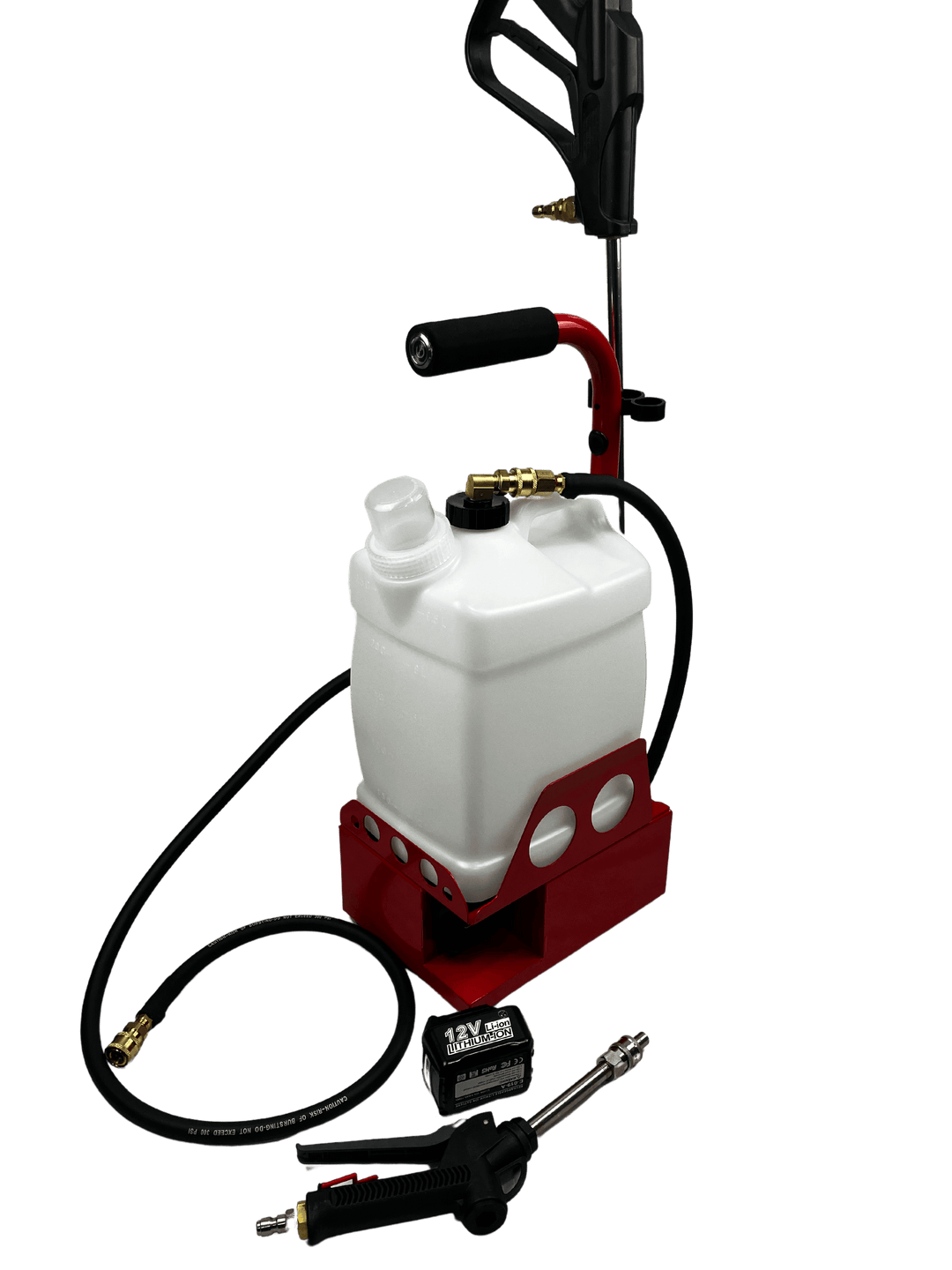
Carpet cleaning sprayer for even product distribution
-
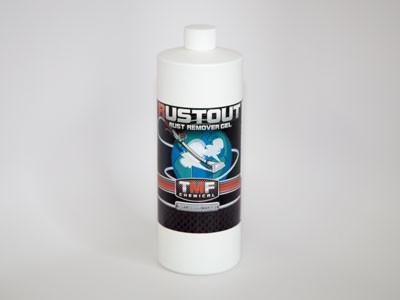
Rust Out gel and Red Action for red slime stains
-
Portable carpet extractor for final rinse and extraction

7 Proven Methods to Remove Slime From Carpet
Choose your method based on slime condition (fresh vs. dried), slime color, and carpet fiber type.
Method 1 - White Vinegar and Warm Water (Best All-Around)
This is the go-to method for most slime situations on synthetic carpets.
-
Scrape off as much slime as possible with a spoon held at a low angle
-
Mix 2 parts white vinegar with 1 part warm water in a spray bottle
-
Spray the solution directly onto the remaining slime residue
-
Allow 10 minutes of dwell time - the acetic acid needs time to break the borax cross-links
-
Blot (do not scrub) with a clean white cloth, working from the outside edge toward the center
-
Vacuum the area once dry to restore pile texture
Why it works: Acetic acid in vinegar reverses the borax cross-linking that holds slime together. The polymer chains release their grip on carpet fibers.
Best for: Nylon, polyester, and synthetic blend carpets with fresh or lightly dried slime.
Avoid on: Wool, silk, and natural fiber rugs. The acid degrades protein-based fibers.
Method 2 - Rubbing Alcohol (Isopropyl 70%)
Rubbing alcohol targets the PVA adhesive base rather than the borax bonds.
-
Scrape off the bulk of the slime
-
Dampen a white cloth with 70% isopropyl alcohol
-
Dab the cloth onto the slime residue - do not pour alcohol directly onto carpet
-
Allow 3-5 minutes of dwell time
-
Blot with a fresh dry cloth
-
Rinse the area with a damp cloth and cold water
Best for: Dried slime on synthetic carpets where vinegar alone did not fully dissolve the residue.
Caution: Rubbing alcohol can strip dye from dark-colored or wool carpets. Always colorfast test first.
Method 3 - Baking Soda Paste + Vinegar Fizz
This two-step method uses a chemical reaction to lift thick slime deposits.
-
Scrape the slime surface
-
Make a thick paste with 3 parts baking soda to 1 part water
-
Spread the paste over the slime residue and let it sit for 5 minutes
-
Spray white vinegar over the paste - the fizzing reaction creates CO2 gas that mechanically lifts slime from fibers
-
Let the fizzing subside (about 2-3 minutes)
-
Blot with a damp cloth and vacuum once dry
Best for: Thick, gooey deposits where scraping alone removes less than half the slime.
Method 4 - Dish Soap and Warm Water (Gentlest Option)
When your carpet is wool, silk, or you cannot identify the fiber, this is your safest bet.
-
Scrape the slime
-
Mix 2-3 drops of clear dish soap into 1 cup of warm (not hot) water
-
Apply with a cloth - dab, do not pour
-
Blot and lift, rotating to a clean section of cloth with each pass
-
Rinse with a cloth dampened in plain water to remove all soap residue
-
Blot dry
Caution: More than a few drops of soap creates residue that attracts dirt for weeks. Less is more.
Method 5 - Ice Cube Freezing Method (For Dried Slime)
Frozen slime becomes brittle and loses its grip on carpet fibers.
-
Place a bag of ice cubes or a gel ice pack directly on the dried slime
-
Wait 15-20 minutes until the slime is hard and rigid
-
Use a spoon or butter knife to crack the frozen slime into pieces
-
Peel and scrape the fragments off the fibers
-
Treat any remaining film with vinegar spray or rubbing alcohol
Best for: Large patches of dried slime, carpets with long pile or loop construction where scraping alone risks pulling fibers.
Method 6 - Hydrogen Peroxide for Dye Stains Left Behind
After the slime body is gone, colored slime can leave a ghost stain. Hydrogen peroxide oxidizes the dye.
-
Apply a small amount of 3% hydrogen peroxide only (standard drugstore concentration) to the stain
-
Dwell 5 minutes
-
Blot with a white cloth
-
Rinse with cold water
-
Repeat once if needed
Warning: Peroxide can bleach dark carpets. Test in a hidden area first. Never use concentrations above 3% on carpet. This method works best as a follow-up after removing the slime body with one of the methods above.
For tougher color stains, carpet spotting chemicals designed for professional use provide stronger oxidation without the bleaching risk.
Method 7 - Professional-Grade Extraction (When DIY Fails)
When two rounds of DIY treatment leave sticky residue, visible dye stains, or a stiff patch in the carpet, professional extraction is the next step.
A hot water extraction machine pre-sprays the area with an enzyme-based or citrus solvent degreaser that dissolves remaining polymer residue. Heated water (180-220°F) and high-vacuum extraction pull the broken-down slime from deep within the pile.
When to use this method:
-
Slime covers more than 2 square feet
-
Colored dye stain persists after two DIY treatments
-
Carpet is wool, silk, or an antique rug
-
Dried slime has been ground in by foot traffic for days
For red slime stains specifically, the next section covers a dedicated two-pronged professional protocol that outperforms standard extraction alone.
How to Remove Red Slime From Carpet (Pro Two-Pronged Method)
Red slime stains require a two-step chemical treatment - Rust Out gel followed by Red Action with heat transfer - because red dye resists the standard methods that work on other slime colors.
This is the protocol professional carpet cleaners use on the job. Red dye (typically FD&C Red 40) has a lower molecular weight than blue or green dyes. It migrates deeper into fiber cross-sections, and acidic treatments like vinegar can fade it without eliminating it. The result is a pink ghost stain that homeowners assume is permanent.
It is not permanent - but it does require the right products and controlled heat.
Why Red Slime Is Harder Than Other Colors
Standard slime removal addresses the polymer body. Red slime removal has two problems: the slime body and the dye migration. Vinegar dissolves the slime but does not touch the dye. Hydrogen peroxide can bleach the dye on light carpets but risks damaging dark ones.
The two-pronged method separates these problems. Prong 1 removes the slime and loosens the dye. Prong 2 uses heat-activated chemistry to break the dye bond completely.

Prong 1 - Rust Out Gel Application
-
Scrape off as much red slime as possible with a spoon or butter knife
-
Apply Rust Out gel directly to the stained area
-
Work the gel gently into the carpet fibers with a brush or gloved fingertips
-
Allow a brief dwell time per product instructions
-
Extract using a portable water extraction machine or truckmount wand
Check the carpet after extraction. This first prong alone eliminates most red slime stains. If the area looks clean, you are done. If a faint pink or red shadow remains, move to Prong 2.
Prong 2 - Heat Transfer with Red Action (For Persistent Stains)
-
Apply Red Action directly to the remaining discoloration
-
Allow Red Action to soak into the fibers - use this dwell time to work on other areas
-
Return to the treated spot and apply the heat transfer method
-
Increase your wand heat to approximately 200 degrees Fahrenheit
-
Perform slow, deliberate extraction strokes - apply generous heat during each pass
-
Finish with an equal number of dry strokes to remove moisture and pull residue from deep in the pile
The combination of Red Action chemistry and controlled heat breaks the dye bond that cold methods cannot reach.
Pro Tips for Optimal Red Slime Removal Results
-
Always test both products in an inconspicuous area before full application
-
Monitor heat carefully - too much heat on olefin or low-melt polyester can distort or melt carpet fibers
-
Equal wet and dry strokes is a core principle of professional extraction. Dry strokes remove the moisture that carries dissolved dye back to the surface during drying (wicking)
-
A light spritz of carpet cleaner deodorizer after extraction leaves the area smelling fresh and signals a thorough job to the homeowner
-
Total process time: 15-30 minutes depending on stain severity and whether one or two treatments are necessary
How to Remove Dried Slime From Carpet (Detailed Walkthrough)
Dried slime must be softened or frozen before any chemical treatment - scraping hardened slime without preparation tears carpet fibers.
Step 1 - Rehydrate or Freeze the Dried Slime
You have two paths. Warm rehydration works best on thin, flat dried slime. Lay a damp cloth (warm water, not hot) over the slime for 5 minutes. The moisture softens the polymer enough to scrape.
Ice freezing works better on thick, raised chunks. Press a bag of ice cubes onto the slime for 15-20 minutes. The frozen slime turns brittle and cracks away from fibers cleanly.
Step 2 - Scrape Without Damaging Carpet Fibers
Hold a metal spoon or butter knife nearly flat against the carpet - a 10-15 degree angle. Push forward in short strokes. Never pull upward. Upward pulling rips fiber loops and creates visible damage on Berber and loop-pile carpets.
For slime embedded deep into long pile, use duckbill napping shears to cut individual fibers wrapped around the polymer. This sacrifices a few fibers to save the surrounding carpet.
Step 3 - Dissolve Remaining Residue
After scraping, a thin film usually remains. Choose your dissolving agent based on fiber type:
-
Synthetic carpet: vinegar spray or rubbing alcohol
-
Wool or silk: dish soap and lukewarm water only
-
Unknown fiber: dish soap and lukewarm water (safest default)
Apply, allow 5-10 minutes of dwell, blot with a white cloth, and repeat if needed. For getting tough stains out of carpet, patience with multiple light applications always outperforms one heavy soak.
Step 4 - Final Extraction and Rinse
Rinse the treated area with a cloth dampened in cold water. Cold water prevents any remaining dye from heat-setting into fibers. Blot dry with clean towels, pressing firmly to absorb moisture from the pad and backing.
Groom the pile back to its original direction with a carpet grooming rake. Position a fan to blow across the treated area for 2-4 hours to accelerate drying and prevent wicking.

Mistakes That Ruin Your Carpet During Slime Removal
More carpets are damaged by incorrect cleaning technique than by the slime itself.
Scrubbing Instead of Blotting
Scrubbing pushes dissolved slime and dye deeper into the carpet backing. It also frays fiber tips, creating a visible fuzzy patch. Blot by pressing straight down and lifting straight up. Rotate to a fresh section of cloth with every blot.
Using Hot Water on Colored Slime
Pouring hot water onto colored slime is one of the most common DIY mistakes. Heat sets artificial dyes permanently into carpet fibers - the same principle used to dye fabric in manufacturing.
Professional heat transfer with Red Action is different. That method uses controlled heat at a specific temperature with a chemical activator designed to break dye bonds. Pouring boiling water from a kettle does the opposite.
Skipping the Colorfast Test
Rubbing alcohol strips dye from some dark-colored nylons. Hydrogen peroxide bleaches certain carpet colorants. Both are effective on slime, and both can create a larger problem than the one you started with. 60 seconds of testing prevents hours of regret. Refer to worst carpet stain removal tips for more guidance on handling tricky stains safely.
Over-Wetting the Carpet
Excess liquid seeps through the carpet into the pad and subfloor. This causes three problems:
-
Wicking: dissolved stains travel back to the fiber tips as the carpet dries, reappearing as a ghost outline
-
Mold growth: wet pad and subfloor create conditions for mold within 24-48 hours
-
Delamination: extended moisture exposure dissolves the latex adhesive holding carpet backing to the pile
Use the minimum amount of solution needed. Follow every wet pass with dry blotting or dry extraction strokes. Position a fan or air mover over the treated area immediately after finishing.
How to Protect Your Carpet After Slime Removal
Removing the slime is half the job. Drying, grooming, and protecting the carpet completes it.
Groom and Dry the Treated Area
Cleaned carpet fibers lay flat and matted after extraction. A carpet grooming rake restores pile direction and separates clumped fibers so air circulates through the carpet for faster drying.
Run a fan or air mover directed across the treated area for 2-4 hours. Open windows if humidity is below 60%. Do not walk on the treated area or replace furniture until the carpet is completely dry to the touch at the base of the pile - not just on the surface.
Apply a Carpet Protector
Slime removal strips any existing carpet protector from the treated area. Without that barrier, the exposed fibers stain more easily the next time something spills.
A carpet protector spray restores the fluorochemical or polymer shield that repels liquids and prevents dye absorption. Apply after the carpet is fully dry. Professional application during a routine cleaning service covers the entire carpet, not just treated spots.
Set House Rules for Slime (Prevention Tips)
The fastest carpet repair is the one you never need. Three rules eliminate 90% of slime-on-carpet emergencies:
-
Slime stays at the table. A plastic placemat or baking sheet underneath catches drops
-
Store slime in sealed containers. Open containers dry out and get tossed onto carpet
-
Throw slime away when it dries out. Dried slime crumbles into particles that grind into fibers under foot traffic
Can You Use a Carpet Cleaning Machine to Remove Slime?
A carpet cleaning machine speeds up slime removal, but its effectiveness depends on the machine's heat and vacuum power.
Portable Extractors for Homeowners
Rental carpet cleaners from hardware stores produce water temperatures around 120-140°F and moderate vacuum suction. They handle fresh, clear slime reasonably well when paired with a vinegar pre-treatment.
Limitations show up on dried slime and colored dye stains. Low heat cannot activate dye-breaking chemistry. Low vacuum leaves dissolved residue in the pad, which wicks back to the surface as the carpet dries. If you are investing in a rental, pre-treat the slime with the appropriate method from this guide first, then use the machine for final extraction and rinsing only.
Truckmount Extraction for Stubborn Slime
Professional truckmount machines produce water temperatures of 200-220°F and vacuum power that pulls moisture from the pad and backing - not just the carpet surface. This level of heat and suction removes dissolved slime, dye residue, and cleaning solution in a single pass.
For red slime specifically, truckmount heat is what activates the Red Action chemistry in the two-pronged protocol. Portable machines cannot replicate this. Professional carpet cleaning chemicals combined with truckmount-level extraction deliver results that no DIY method matches on stubborn, deep-set, or dye-heavy slime stains.
Frequently Asked Questions
Can slime permanently stain carpet?
Yes, colored slime dye can become permanent if heat-set or left untreated for days. Red dye carries the highest risk. Treat slime stains within 15 minutes for the best chance of complete removal. Dried clear slime rarely causes permanent damage when removed correctly.
Does vinegar remove slime from carpet?
White vinegar dissolves the borax cross-links that hold slime together. Mix 2 parts vinegar with 1 part warm water, spray directly on the residue, and dwell for 10 minutes before blotting. Avoid using vinegar on wool or silk carpets.
How do you get dried slime out of carpet?
Freeze it with a bag of ice for 15-20 minutes until it turns brittle, then crack and scrape off the pieces. Treat any remaining film with vinegar or rubbing alcohol based on your carpet fiber type.
Will rubbing alcohol damage my carpet?
On synthetic carpets like nylon and polyester, 70% isopropyl alcohol is safe in small amounts. Apply with a cloth rather than pouring directly. Always run a colorfast test first, especially on dark-colored or wool carpets.
Can WD-40 remove slime from carpet?
WD-40 softens dried slime, but it leaves an oily petroleum residue that attracts dirt and creates a new stain. Vinegar or rubbing alcohol deliver cleaner results without the greasy aftermath.
How do you remove glitter slime from carpet?
Remove the slime body first using vinegar, then vacuum the area repeatedly with a HEPA vacuum. A lint roller or packing tape pressed onto the carpet picks up embedded glitter particles that vacuuming misses.
How long does red slime removal take?
The two-pronged Rust Out gel and Red Action heat transfer method takes 15-30 minutes total. Simple red stains often clear with Prong 1 alone. Severe or aged stains may require both treatments.
Is professional cleaning necessary for red slime stains?
DIY methods can lighten red slime stains, but professional-grade products like Rust Out and Red Action combined with hot water extraction at 200°F achieve the most complete removal. The controlled heat activation is difficult to replicate with household tools.
Can all red slime stains be completely removed?
Most red slime stains improve dramatically or disappear entirely with professional treatment. Results depend on stain age, carpet fiber type, and how quickly treatment begins. Old stains on light-colored carpets that were heat-set by hot water carry the lowest success rate.
Does baking soda remove slime from carpet?
Baking soda absorbs moisture and provides gentle abrasion to lift slime residue. Combining it with a vinegar spray creates a fizzing reaction that mechanically loosens slime from carpet fibers. This works best on thick, fresh slime deposits.
Conclusion
Fresh slime scrapes off and dissolves with vinegar in under 10 minutes. Dried slime needs ice-freezing or warm rehydration before the same approach works. Red slime requires the professional two-pronged protocol: Rust Out gel extraction followed by Red Action heat transfer at 200°F with equal wet and dry strokes.
Every method starts with a colorfast test and fiber identification. Skipping those two steps causes more carpet damage than the slime itself. When DIY attempts leave residue, dye stains, or stiff patches, professional hot water extraction finishes what household products started.
Explore professional carpet cleaning chemicals and extraction equipment at TruckMount Forums for pro-level results on every slime stain.
References
-
Polymer Science Learning Center, University of Southern Mississippi - "Polyvinyl Acetate and Cross-Linked Polymers" - educational resource on PVA polymer behavior
-
Carpet and Rug Institute (CRI) - "Carpet Care Guidelines" - fiber-specific cleaning recommendations - https://carpet-rug.org
-
U.S. FDA - "Color Additives in Food (FD&C Red No. 40)" - molecular properties of synthetic red dyes - https://www.fda.gov